
 Help & Support
 SEARCH
Snapchat strengthens family center with new layers of parental oversight
SHARE IT
In an era where digital safety is becoming as critical as physical security, Snapchat is taking significant steps to bolster its parental control features. The platform recently announced a series of updates to its Family Center, aimed at providing parents with a clearer window into their children’s digital interactions. These changes come at a time when social media companies are under increasing pressure from regulators and advocacy groups to protect younger users from potential online risks. By expanding the visibility of a teen’s social circle, Snapchat hopes to empower parents to foster safer communication habits without compromising the private nature of the messages themselves.
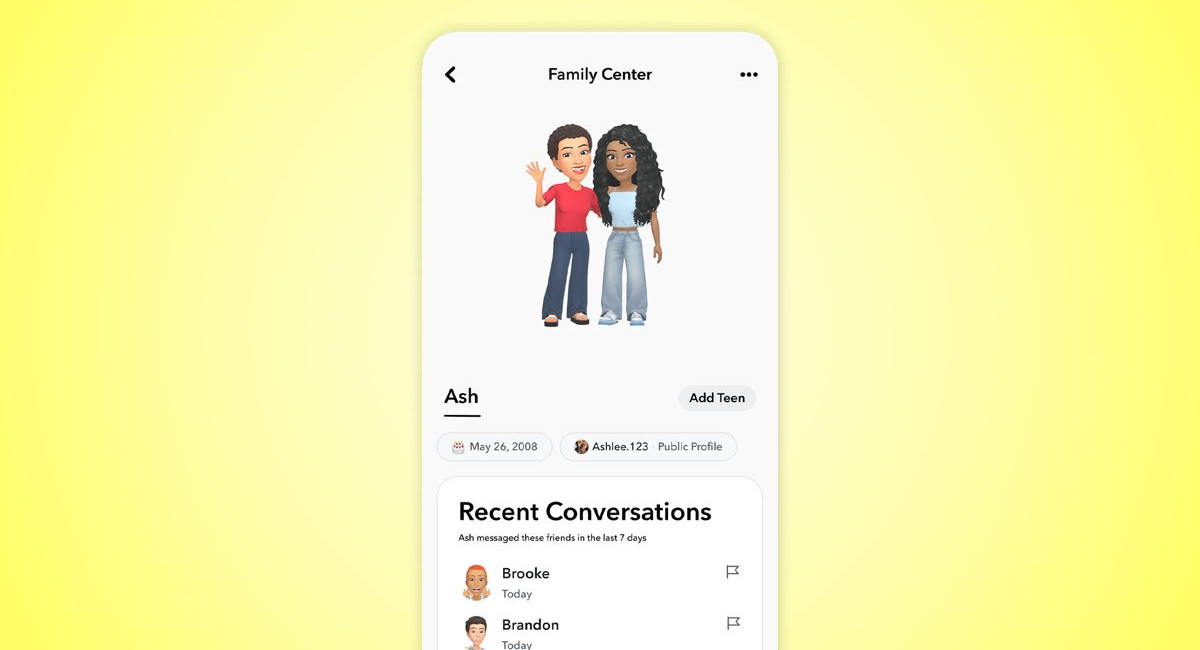
The core of the update revolves around providing more context regarding the accounts a teenager interacts with. Previously, parents could see a list of their child’s friends, but the new features go a step further. Now, parents can view the specific groups their teens are part of, as well as the members within those groups. This is a crucial addition, as group chats can often be spaces where unfamiliar individuals gain access to younger users. By allowing parents to see exactly who is participating in these collective conversations, Snapchat is addressing a long-standing concern regarding the anonymity that group settings can provide.
Beyond just listing names, Snapchat is introducing tools that help parents distinguish between known contacts and potential strangers. The updated interface highlights whether a teen is communicating with an account that is not in their mutual friend circle or if the account has been flagged by the platform's safety systems. This proactive approach is designed to help parents identify "red flags" before a situation escalates. Instead of simply monitoring after the fact, the system encourages an ongoing dialogue between parents and children about the importance of knowing who they are talking to in the digital space.
Privacy remains a cornerstone of the Snapchat experience, and the company has been careful to balance oversight with user autonomy. The new updates do not allow parents to read the actual content of the messages. This distinction is vital for maintaining the trust of teenage users, who often value the ephemeral and private nature of the app. Snapchat’s philosophy suggests that while parents should know who their children are engaging with, the substance of those conversations should remain private to encourage healthy development and independence. This middle-ground approach seeks to satisfy both protective parents and privacy-conscious teens.
In addition to these visibility tools, Snapchat is also refining its reporting mechanisms. Parents can now more easily report suspicious accounts directly through the Family Center. Once a report is filed, Snapchat’s trust and safety teams prioritize these reviews to ensure a swift response. This integration streamlines the process of removing bad actors from the platform and provides parents with a sense of agency in keeping the community safe. The company is also investing in educational resources within the app, offering tips and guides for families to navigate the complexities of online social dynamics together.
These enhancements reflect a broader trend in the tech industry toward more robust "safety by design" principles. As lawmakers globally consider stricter age-verification and safety laws, Snapchat is positioning itself as a proactive player in the field. By continuously iterating on the Family Center, the platform aims to prove that social media can be both a fun, creative outlet and a secure environment for the next generation. As these features roll out, the focus will remain on how effectively they bridge the gap between digital freedom and parental responsibility.
MORE NEWS FOR YOU