 Help & Support
 SEARCH
The AI takeover: Google Chrome hands the wheel to Gemini
SHARE IT
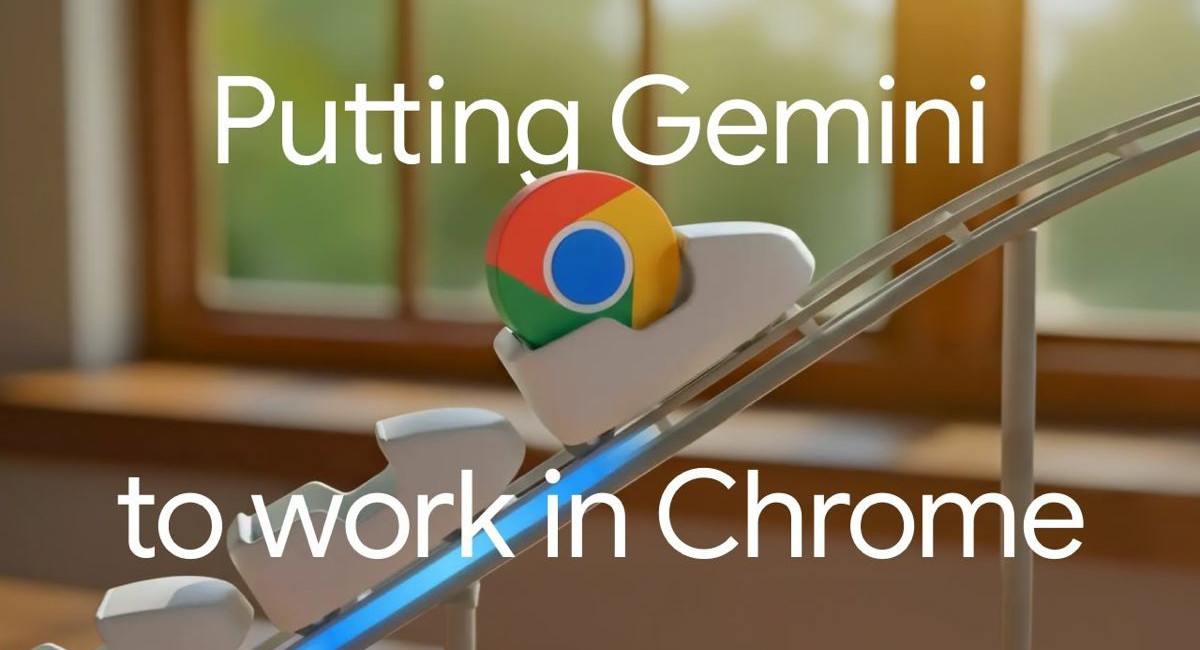
The digital landscape is shifting as Google prepares to transform its flagship browser from a simple portal into an autonomous assistant. In what is being described as one of the most significant overhauls in its history, Google Chrome is integrating the Gemini AI model so deeply that it may soon handle the brunt of your online chores. This evolution marks a transition from a reactive tool to a proactive agent, effectively moving the user from the driver's seat to the passenger's side.
Central to this transformation is a new side panel experience designed to eliminate the constant shuffling between tabs. By embedding Gemini directly into the browser's UI, Google allows users to interact with web content in real-time. Whether it is summarizing a complex research paper across multiple open tabs or comparing product reviews while shopping, the AI operates alongside the user, maintaining context without the need to switch windows. This persistence is a key pillar of Google's strategy to streamline the modern browsing experience, which has become increasingly cluttered.
However, the most ambitious feature is undoubtedly the introduction of agentic capabilities through Chrome auto browse. For subscribers of the AI Pro and Ultra tiers, Chrome is no longer just showing information; it is acting on it. This feature allows Gemini to execute multi-step workflows on behalf of the user. Imagine an assistant that can autonomously file expense reports, collect tax documents, or even book services like plumbers and electricians. By leveraging the user's authentication credentials—with explicit permission—the browser can navigate sign-in walls and complete transactions, turning what used to be a thirty-minute task into a brief confirmation process.
Security and personalization have also been scaled up through the new Personal Intelligence framework. This system enables Gemini to tap into a user’s Google ecosystem, including Gmail, Drive, and Photos, to provide answers that are deeply tailored to individual needs. Chrome can now "remember" past interactions and browsing history with startling accuracy. Instead of digging through hundreds of URLs, a user can simply ask about a specific blog post they read weeks ago, and the AI will retrieve it. Furthermore, the integration of Nano Banana directly into the side panel brings creative power to the browser, allowing for the instant transformation and editing of images found online through natural language prompts.
While the prospect of a browser that "thinks" and "acts" for you is exciting, it naturally raises questions about privacy and autonomy. Google has been quick to emphasize that users remain in control, with the AI requiring consent before making purchases or posting on social media. Additionally, the underlying Gemini Nano technology is being used to bolster security, identifying sophisticated scams and fraudulent sites more effectively than traditional methods. As Chrome evolves into an agentic platform, the line between the browser and the operating system continues to blur, signaling a future where the web is something that works for us, rather than something we navigate manually.
MORE NEWS FOR YOU