 Help & Support
 SEARCH
The battle for corporate brains: Google unveils Workspace Intelligence
SHARE IT
At the recent Google Cloud Next event, Google made a decisive move in this ongoing arms race by introducing Workspace Intelligence. This new framework serves as a direct strategic response to Microsoft Work IQ, signaling a new era where artificial intelligence does not just assist but deeply understands the intricate web of professional workflows.
For some time, Microsoft has held a certain advantage with its Work IQ layer, which was introduced during last year's Ignite conference. Work IQ functions as a sophisticated neural network for the enterprise, drawing data from SharePoint, Outlook, and Teams to create a cohesive memory of organizational activities. By making this intelligence available via APIs, Microsoft has allowed developers to craft specialized AI agents, effectively turning Microsoft 365 Copilot into a central nervous system for business data. Google, however, is no longer content to play catch-up, and Workspace Intelligence is its bid to redefine the competitive landscape.
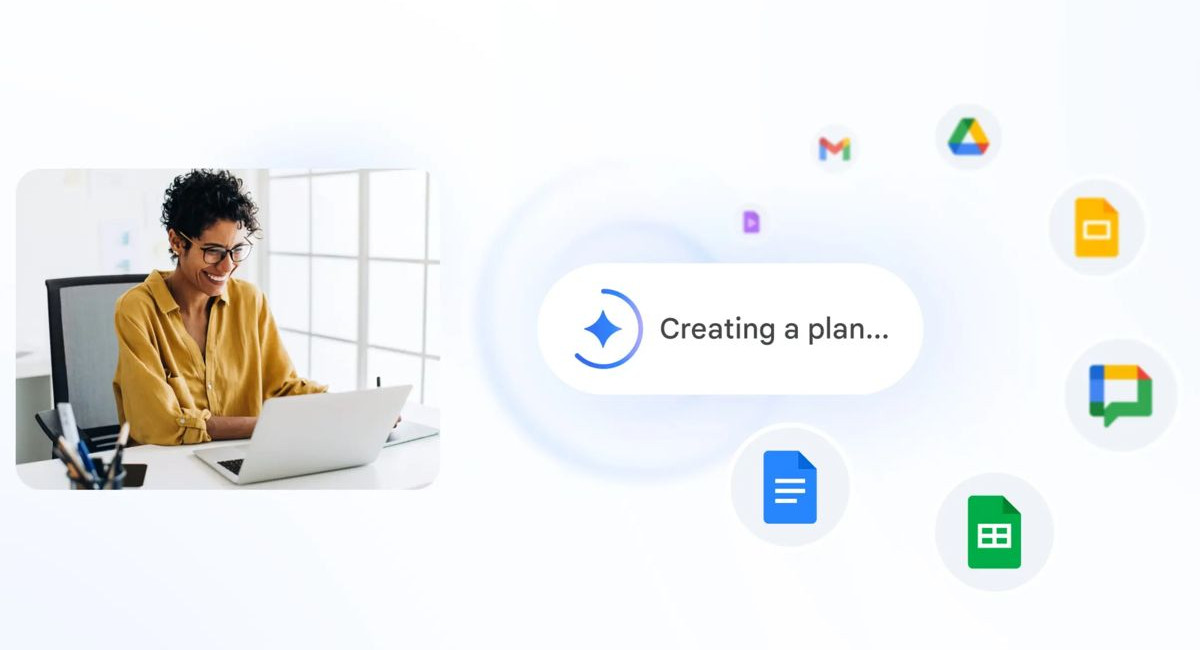
At its core, Workspace Intelligence is designed to act as a bridge between the disparate islands of data within Google Workspace. It is not merely a feature but an underlying cognitive layer that analyzes the relationships between Docs,Slides, Gmail, and Drive. By synthesizing information about active projects, specific collaborators, and broader organizational goals, it transforms Gemini from a standard conversational chatbot into a contextual work assistant. The goal is clear: to provide an AI that possesses a comprehensive "memory" of a user’s professional life, ensuring that every interaction is grounded in relevant history and current priorities.
One of the most practical manifestations of this evolution is the newly announced Ask Gemini feature within Google Chat. Rather than navigating through endless menus, users can now interact with their workspace using natural language. Gemini can handle complex background tasks, such as generating daily briefings that highlight unread threads and urgent action items. It can autonomously create Docs or Slides based on verbal instructions, manage scheduling, and locate specific files through simple descriptions. Perhaps most importantly, Google is opening the doors to third-party integration, allowing Gemini to pull and process data from external platforms like Asana, Jira, and Salesforce, thereby centralizing the workflow.
The individual components of the Workspace suite are also receiving significant cognitive upgrades. In Sheets, the days of manual formula building may be numbered, as users can now construct or modify complex spreadsheets using conversational prompts. This capability extends across multiple files and platforms, allowing Gemini to cross-reference data from emails and web sources to populate a single sheet. Similarly, in Docs, the AI can now transform raw business data into polished infographics or ensure visual consistency across multiple images. It can even take an active role in the editorial process by responding to comments and revising text based on feedback from team members.
Presentation workflows are also being reimagined through Google Slides. The integration of Workspace Intelligence allows for the creation of fully editable presentations that strictly adhere to corporate branding and visual guidelines,reducing the time spent on formatting and aesthetic alignment. Meanwhile, Google Drive is becoming more intuitive with the general availability of AI Overviews and Ask Gemini in Drive. A new feature called Drive Projects further enhances this by automatically clustering related emails and files, providing both the user and the AI with a focused environment for specific tasks.
As Google and Microsoft continue to refine these intelligence layers, the distinction between a software tool and a digital colleague continues to blur. Google Workspace Intelligence represents more than just a new set of features; it is a fundamental redesign of how information is accessed and utilized within the modern enterprise. By focusing on context and connectivity, Google is betting that the future of work lies not in how much data we have, but in how intelligently that data can be interconnected to serve the user
MORE NEWS FOR YOU