 Help & Support
 SEARCH
The end of an Ad-free era: OpenAI integrates commercials into ChatGPT
SHARE IT
The landscape of generative artificial intelligence is undergoing a seismic shift as OpenAI, the trailblazer behind the AI revolution, officially announced the introduction of advertisements within its ecosystem. For years, ChatGPT stood as a bastion of clean, uninterrupted user interface, but the company is now pivoting toward a more traditional digital revenue model. This strategic move specifically targets users on the ChatGPT Free and the newly expanded ChatGPT Go tiers, signaling a transition from a purely subscription-based philosophy to a hybrid financial structure.
According to the recent announcement, the tech giant is not only globalizing its budget-friendly ChatGPT Go plan but also utilizing these lower-cost and free tiers as a testing ground for commercial integration. Starting in the United States, adult users will begin to see sponsored content, marking the first time OpenAI has opened its doors to third-party advertisers since the chatbot’s viral debut in late 2022. While premium subscribers on ChatGPT Plus, Pro, Business, and Enterprise will remain insulated from these changes, the vast majority of the platform's casual user base is about to experience a very different version of AI interaction.
OpenAI is treading carefully, fully aware of the potential backlash regarding data privacy and user experience. The company has laid out a set of strict "ad principles" designed to soothe concerns. Most notably, they have pledged that user data will not be sold to advertisers and that the core integrity of the AI’s responses will remain untainted by commercial interests. In an effort to maintain user agency, OpenAI will also provide an option to disable ad personalization, ensuring that those who value privacy can still exercise a degree of control over their digital footprint.
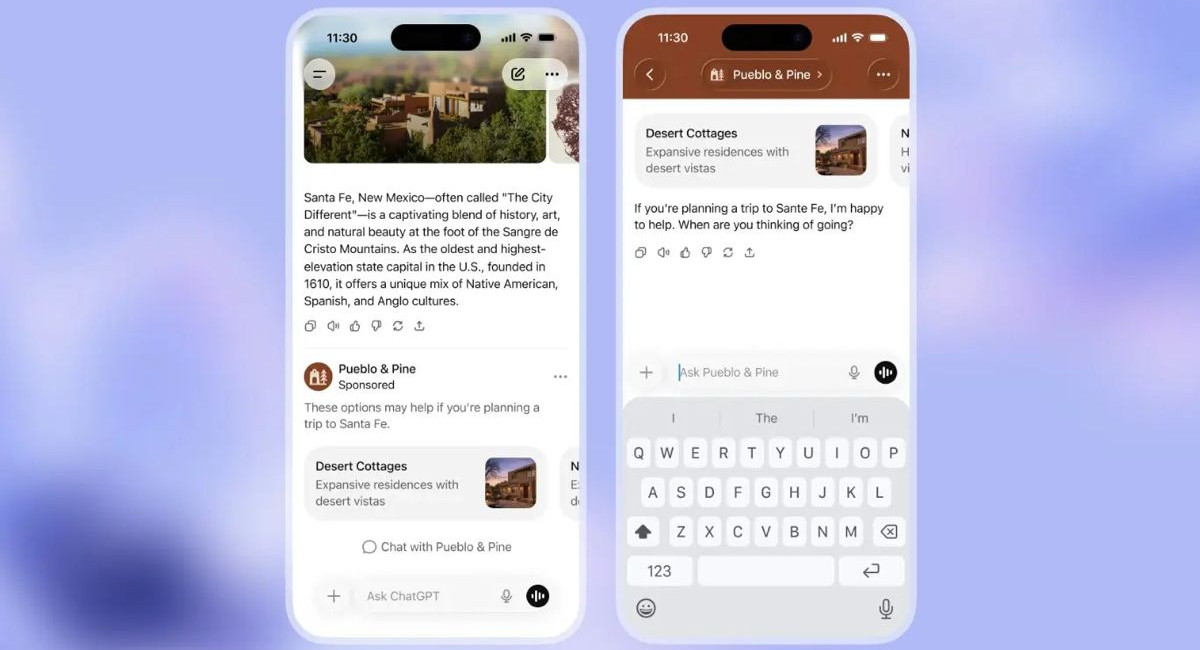
The implementation of these ads is far from subtle, yet it is designed to be contextual. The first format involves sponsored products appearing at the bottom of the chat interface, triggered by the nature of the ongoing conversation. For instance, a query about travel recommendations in a specific city might prompt a suggestion for local hotels. These ads will be clearly demarcated from the AI's generated text, allowing users to understand exactly why a specific promotion is being shown or to dismiss it entirely if it feels intrusive. Crucially, OpenAI has drawn a line in the sand regarding sensitive topics, promising that no ads will appear alongside discussions involving health, mental wellbeing, or political discourse.
Looking ahead, the company is envisioning an even more immersive advertising experience. Plans are already in motion for a secondary format that allows for direct interaction with brands. Instead of a static link, users will soon be able to engage in a dialogue with the advertisers themselves, asking questions or finalizing bookings without ever leaving the ChatGPT interface. This suggests a future where AI acts not just as an assistant, but as a sophisticated marketplace intermediary.
This pivot is a calculated business decision. While OpenAI's enterprise and high-end subscription segments are thriving, the leadership believes that a diversified revenue stream is essential for long-term sustainability. By incorporating ads, the company aims to subsidize the immense computing costs required to keep the free version of ChatGPT operational, effectively balancing the scales between staying competitive and fulfilling their mission of making advanced intelligence accessible to the global masses.
MORE NEWS FOR YOU