 Help & Support
 SEARCH
The illusion of digital security and the AI threat to passwords
SHARE IT
A comprehensive study analyzing over 231 million unique passwords leaked between 2023 and 2026 has brought to light a staggering reality. According to findings from Kaspersky Digital Footprint Intelligence, roughly 68 percent of all current passwords can be compromised within a single day. Even more alarming is the fact that 60 percent of these credentials succumb to hacking attempts in less than an hour, rendering the vast majority of user accounts vulnerable to immediate exploitation.
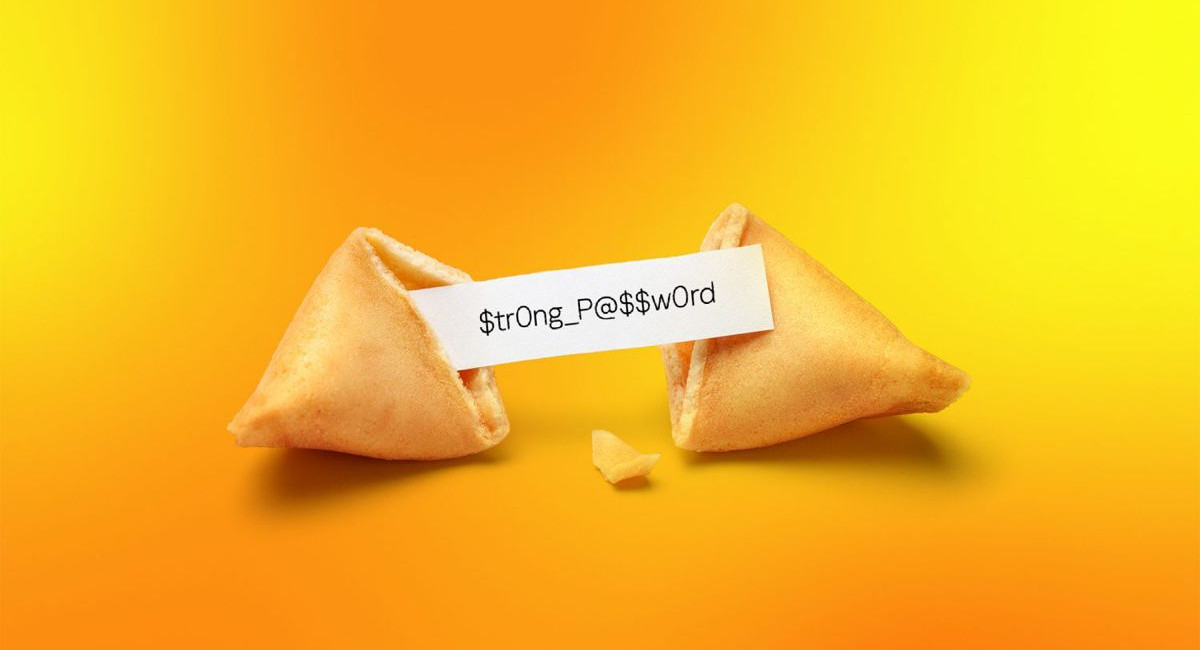
The research highlights a fundamental flaw in how humans approach security: the tendency toward predictability. Despite the constant advice from cybersecurity experts to create complex strings of characters, users continue to follow patterns that are easily anticipated by malicious software. A significant 53 percent of the analyzed passwords end with a number, while 17 percent begin with one. Furthermore, about 12 percent of users incorporate sequences that resemble dates, specifically covering the years from 1950 to 2030. This structural consistency provides a roadmap for brute force attacks, allowing hackers to narrow down their search parameters and crack codes with unprecedented speed.
The symbols we choose to enhance security are also becoming a liability. The study found that the @ symbol is the most frequently used special character, appearing in 10 percent of passwords that contain only one symbol. Other common choices include the period and the exclamation mark. Alexey Antonov, the Lead of the Data Science team at Kaspersky, points out that placing these predictable symbols and numbers at the beginning or end of a password does little to deter sophisticated attacks. Instead, these habits create a false sense of security while actually simplifying the task for automated hacking tools.
Cultural trends and emotional connections are also influencing our digital safety in unexpected ways. Users show a marked preference for positive words like love, magic, and angel. However, the most striking finding is the influence of internet subcultures. The word Skibidi, a viral internet trend, saw its usage in passwords increase 36 times over the last few years. While these words might feel personal or unique to the user, they are part of a broader vocabulary that hackers regularly include in their dictionaries. Using a single word, even with a number or symbol appended, is no longer a viable defense strategy.
The most transformative factor in this evolving threat is the integration of Artificial Intelligence. Modern AI algorithms have completely altered the mathematics of password cracking. While length was once considered a primary shield, AI can now crack 20 percent of 15-character passwords in less than a minute. These calculations are based on the performance of a single GPU, such as the RTX 5090. In reality, cybercriminals often utilize networks of hundreds of such units, exponentially increasing their power. This means that even passwords that meet current length requirements are at risk if they rely on predictable structures.
To counter these sophisticated threats, the security industry is moving toward more robust alternatives. Experts now recommend the use of random, non-repetitive combinations of at least 16 characters for every unique account. Because memorizing such complex data is nearly impossible for the average person, the adoption of Password Managers and passkeys is being urged as the new standard. These tools, combined with two-factor authentication, represent the front line of defense in an era where human intuition is consistently outmatched by machine learning.
MORE NEWS FOR YOU