
 Help & Support
 SEARCH
XChat enters the fray: Privacy first or just another digital wall?
SHARE IT
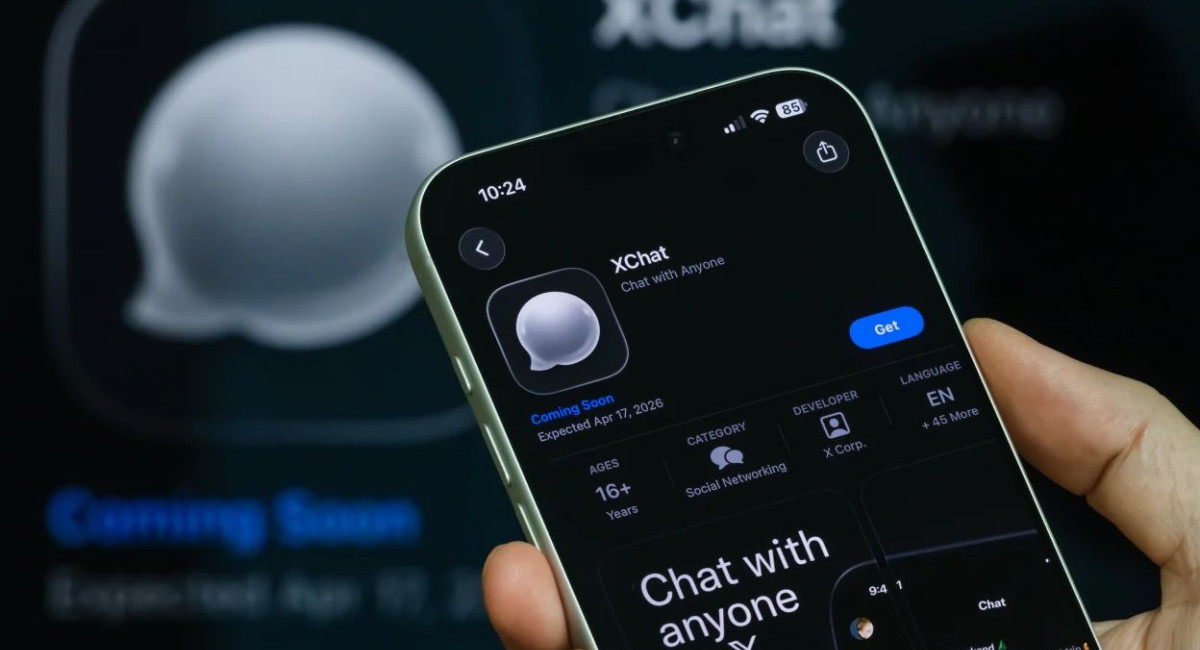
X officially introduces XChat, a dedicated messaging application now available for iOS users. This move marks a strategic pivot for the social media giant, arriving months after the platform controversially removed direct messaging from its primary interface. With a clear focus on security, the new app aims to reclaim its position in the competitive world of private communication, positioning itself as a fortress for user data and conversational integrity.
Built to integrate seamlessly with the existing X ecosystem, XChat is not merely a replacement for the old DM system but a fundamental rethink of how users interact privately. The application requires iOS 26.0 or later, signaling a commitment to modern hardware capabilities. Following a secretive beta testing phase earlier this year, the official rollout suggests that the developers are confident in the app’s ability to handle high-volume communication while maintaining the rigorous privacy standards they have publicly championed.
At the heart of XChat’s value proposition is a suite of security features designed to appeal to the privacy-conscious demographic. The developers claim that every interaction within the app is protected by end-to-end encryption, ensuring that only the sender and recipient can access the content. Beyond encryption, XChat introduces several granular privacy controls, such as the ability to block screenshots within chats and the option for disappearing messages. These tools provide users with a level of agency over their digital footprint that is increasingly rare in the era of permanent online records.
The utility of XChat extends beyond one-on-one conversations. The app supports group chats for up to 500 participants, with plans to expand this capacity to 1,000 members in the near future. This scalability is particularly relevant following the recent announcement that X is shutting down its Communities feature due to persistent spam issues. XChat is intended to become the new sanctuary for these groups, allowing administrators to share joinable links directly on their Timeline. By migrating these communities to a more controlled environment, X hopes to mitigate the spam that plagued its previous iteration.
Furthermore, XChat is not limited to text-based communication. It includes robust support for high-quality audio and video calls, as well as efficient file sharing. The inclusion of a message editing feature acknowledges a common user demand, allowing for the correction of errors after a message has been sent. Perhaps most notably, the platform asserts that XChat is entirely ad-free and does not track user behavior, a bold claim that stands in stark contrast to the data-driven models of many contemporary competitors.
Elon Musk, the driving force behind X, has been a vocal critic of established messaging services, particularly Meta’s WhatsApp. Musk has frequently questioned the true extent of encryption and privacy offered by rival platforms, often backing the skeptical views of figures like Telegram’s Pavel Durov. By launching XChat, Musk is providing a direct alternative that aligns with his stated vision of a more secure digital town square. His public endorsement serves as a powerful marketing tool, urging users to migrate away from platforms he deems compromised.
However, the introduction of a standalone messaging app raises interesting questions about the long-term strategy of X. Previously, there were frequent discussions about transforming X into an everything app—a centralized hub for all digital needs. The decision to branch out with a separate application for messaging could be seen as a departure from that unified vision, or perhaps a tactical move to ensure that the messaging component remains unburdened by the complexities of a multi-functional platform.
As XChat begins its journey on the App Store, the tech community remains watchful. While the promises of total privacy and a tracker-free experience are enticing, the practical application of these claims will be the true test. In an age where digital trust is a fragile commodity, XChat’s success will depend on whether it can prove to its users that their conversations are truly their own, shielded from both external threats and internal data harvesting.
MORE NEWS FOR YOU