
 Help & Support
 SEARCH
YouTube arms public figures against deepfakes
SHARE IT
YouTube has officially announced a major expansion of its artificial intelligence deepfake detection arsenal, now placing these sophisticated tools directly into the hands of politicians, government officials, and journalists. This strategic move aims to combat the rising tide of highly convincing, unauthorized digital impersonations that threaten to undermine public discourse and trust in the media ecosystem.
The rapid advancement of generative artificial intelligence has fundamentally altered the landscape of online content creation. What was once a slow, resource-intensive process requiring high-level technical expertise can now be accomplished by virtually anyone with access to the internet. While this democratization of creation has sparked unprecedented levels of innovation, it has also unleashed a flood of synthetic media. Deepfakes, which seamlessly graft a person's likeness and voice onto fabricated scenarios, have evolved from a fringe internet novelty into a potent weapon for spreading disinformation and manipulating public perception on a massive scale.
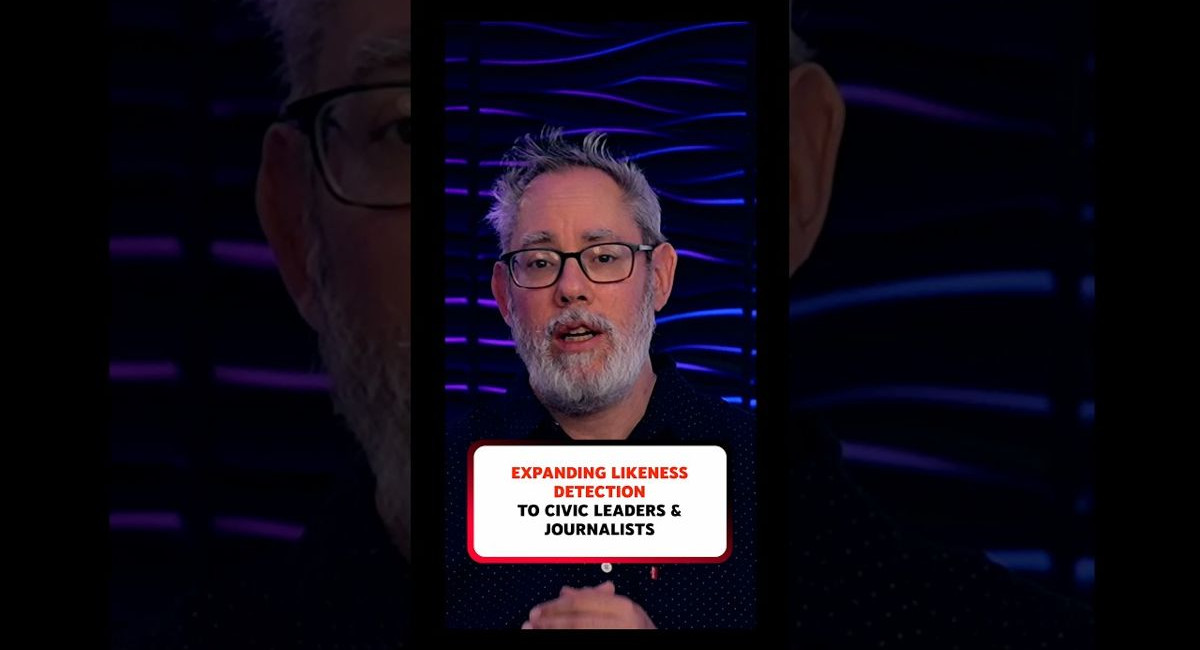
To mitigate these escalating risks, YouTube is rolling out a specialized pilot program designed to empower those who are most frequently targeted by malicious digital impersonation. The platform's newly expanded likeness detection tool allows selected civic leaders, candidates for public office, and members of the press to actively monitor and identify unauthorized synthetic representations of themselves. Once an artificially generated video is flagged, these public figures have the unprecedented ability to formally request its swift removal from the platform, streamlining a process that was previously arduous and often too slow to prevent viral spread.
However, navigating the complex waters of content moderation requires extreme precision. YouTube is acutely aware that an overly aggressive approach to deepfake removal could inadvertently stifle freedom of expression. The platform faces the delicate task of balancing the urgent need to neutralize dangerous misinformation with the equally important responsibility of protecting legitimate forms of speech. Parody, satire, and political critique have long been cornerstones of democratic engagement. Therefore, the detection and removal system is designed with nuanced safeguards to ensure that comedic impressions or legitimate political commentary utilizing artificial intelligence are not swept up in the net intended for malicious deepfakes.
The decision to specifically equip politicians and journalists with this defensive technology highlights the unique vulnerabilities of their roles. In democratic societies, the credibility of elected officials and the press is paramount. A single, well-timed deepfake showing a political candidate making an inflammatory statement or a trusted journalist delivering fake news could trigger immediate real-world consequences, from swinging election outcomes to inciting public panic. By providing a direct mechanism for these figures to safeguard their digital identities, YouTube is acknowledging the disproportionate impact that synthetic impersonation can have on civic stability.
This initiative by YouTube also reflects a broader shift within the tech industry as major platforms grapple with the unintended consequences of the artificial intelligence boom. Mounting pressure from both regulatory bodies and the general public has forced tech giants to take a more proactive stance on digital authenticity. As lawmakers around the world debate the legal frameworks necessary to govern synthetic media, platforms are essentially writing the rules of the road in real-time. YouTube's approach of combining automated detection with human oversight and targeted access represents a significant step toward creating a standardized defense against digital deception.
Looking ahead, the expansion of this detection tool marks a critical escalation in the ongoing arms race between those who generate deceptive artificial intelligence and those attempting to detect it. As the underlying technology behind deepfakes continues to grow more sophisticated, so too must the systems designed to identify them. YouTube's latest initiative serves as both a shield for the guardians of public information and a clear signal that the era of unchecked algorithmic impersonation is facing severe resistance. Ultimately, the success of this endeavor will depend not just on the strength of the code, but on the platform's commitment to maintaining a fair, transparent, and resilient digital public square.
MORE NEWS FOR YOU