 Help & Support
 SEARCH
YouTube expands picture in picture to all global users
SHARE IT
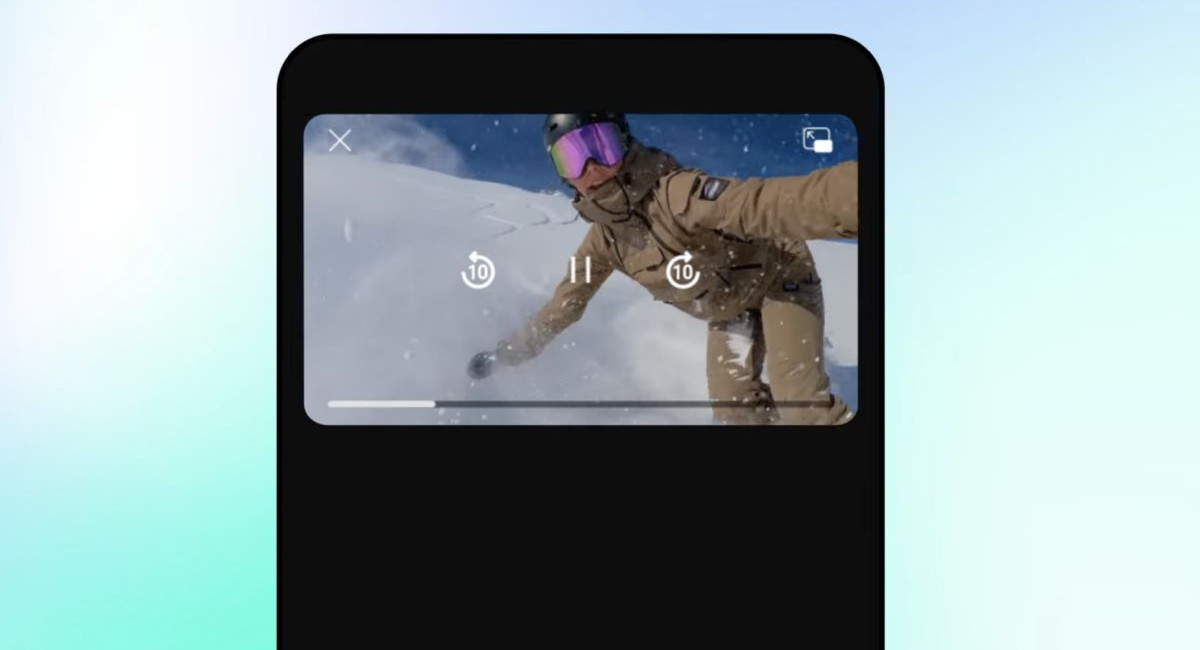
YouTube officially breaks down the paywall for one of its most coveted features. For years, the ability to minimize a video into a small, floating window while navigating other applications remained a luxury largely reserved for those paying a monthly fee. Now, the tech giant is bringing this functionality, known as Picture-in-Picture or PiP, to its entire global audience on both iOS and Android platforms, fundamentally changing the multitasking experience for millions.
This rollout represents a major expansion of a policy that was previously limited to specific markets. While users in the U.S. have enjoyed free access to PiP for some time, the rest of the world was left waiting or forced to subscribe to Premium. The latest update from YouTube signals an effort to standardize the user experience across borders, acknowledging that the modern smartphone user rarely does just one thing at a time. Whether checking emails, scrolling through social feeds, or messaging friends, users can now keep their favorite video content in sight without interruption.
However, the transition to a free model comes with a notable distinction that serves as a reminder of YouTube's tiered service structure. While the feature is now accessible to everyone, it is restricted to longform, non-music content for free users and those on the Premium Lite tier. This means that if you are looking to keep a music video playing in the corner of your screen while you work, the system will still prompt you to upgrade to a full Premium subscription. Music remains the guarded jewel of the paid experience, likely due to licensing agreements and the platform's desire to maintain a clear value proposition for its subscribers.
For those eager to try out the feature, the process is designed to be intuitive, though it may require a quick trip to the device settings. On an iPhone, the transition is as simple as swiping up to return to the home screen while a video is playing. If the video shrinks into a floating window, the feature is active. Android users can achieve the same result by tapping the home button or using gesture navigation, depending on their specific device setup. The floating window can be dragged to any corner of the screen, allowing for a personalized layout that doesn't obstruct other tasks.
If the magic doesn't happen automatically, users should check their application settings. Within the iOS environment, one must navigate through the general settings to ensure the PiP toggle is enabled. Similarly, Android users may need to dive into the special app access menu to grant YouTube the necessary permissions to display over other apps. It is a small technical hurdle for a feature that offers a significant boost in productivity and entertainment flexibility.
The global deployment is expected to be gradual. YouTube has indicated that the feature will reach all corners of the globe in the coming months, so users who don't see the option immediately should remain patient. This move is part of a broader trend where features that once defined the premium experience are slowly trickling down to the general public, as platforms seek to increase engagement and keep users within their ecosystem for longer periods.
Ultimately, this update is a win for the average viewer. By removing the financial barrier to multitasking, YouTube is making its mobile experience more fluid and less restrictive. While the exclusion of music videos might be a point of frustration for some, the inclusion of all other longform content is a substantial step forward. It reflects a growing understanding that in an age of information overload, the ability to watch and work simultaneously is no longer a luxury, but a necessity for the modern digital citizen.
MORE NEWS FOR YOU