 Help & Support
 SEARCH
Apple bridges the ecosystem divide with iOS 27 efficiency boost
SHARE IT
At its annual WWDC 2026 conference, Apple took a surprisingly practical turn by unveiling iOS 27. Rather than chasing flashy gimmicks or throwing radical changes at the user interface, the tech giant pivoted toward structural optimization, under-the-hood efficiency, and an unprecedented dismantling of its walled garden. The primary objective is to make existing devices run faster, streamline fundamental features, and extend meaningful longevity to older iPhone models.
The cornerstone of this upgrade lies within a completely overhauled CPU scheduler. By optimizing the operating system at its very core, Apple has significantly refined how its software allocates workloads across the Apple Silicon chips. System memory management has also been heavily reworked; background processes are now compressed dynamically rather than being abruptly terminated. For the end user, this translate into a 30% faster application launch rate and a fluid multitasking experience that breathes new life into everyday operations.
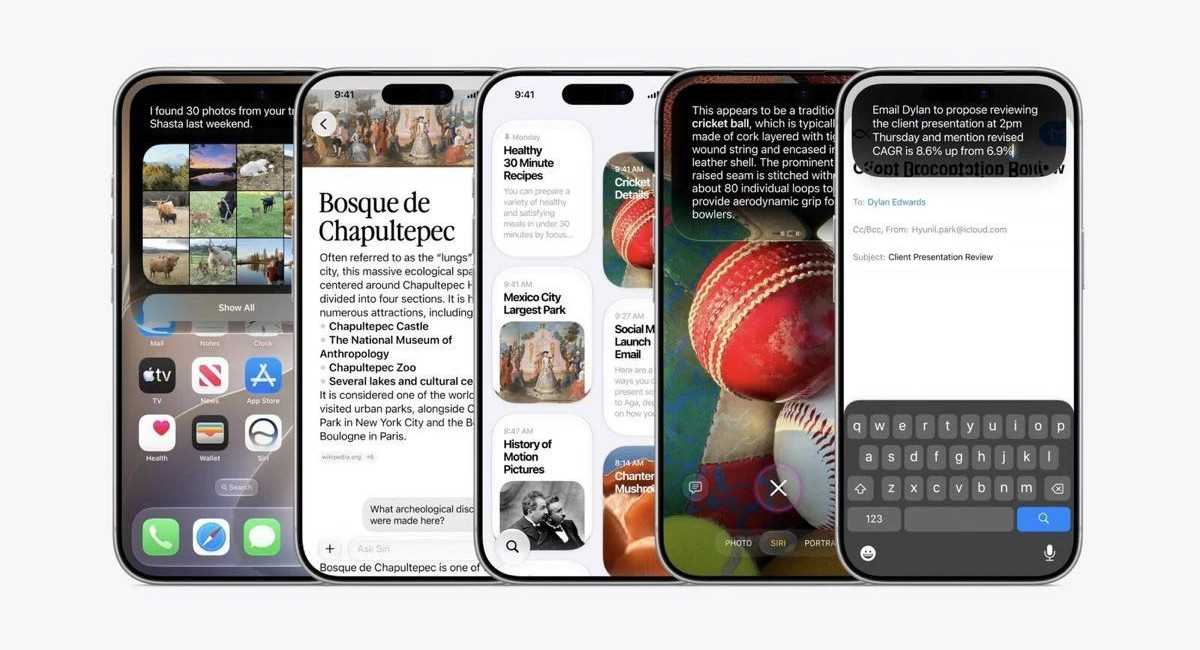
Data handling also sees a massive performance jump. The technical underlying protocols of AirDrop have been rebuilt at the baseband level, yielding an 80% surge in file transfer speeds. This enhancement is particularly beneficial for content creators who frequently shift massive ProRes video files between local devices. Alongside this, the built-in Spotlight search has discarded its legacy indexing architecture. Utilizing the dedicated Neural Engine on the A-Series processors, the phone constructs a localized device context that quickly maps text within images, locations, and messages with minimal background power consumption. This smarter indexing naturally extends into the Mail application, curing long-standing grievances regarding search accuracy for older messages.
Perhaps the most culturally significant breakthrough in iOS 27 is the quiet tearing down of ecosystem barriers via iCloud Shared Albums. In a major departure from corporate tradition, Apple now permits users to share full-resolution photos and videos directly with contacts operating on Android and Windows hardware. By preserving the original color fidelity, dynamic range, and resolution, this native feature eliminates the need for third-party messaging apps that traditionally compress media into low-quality files.
Beyond cross-platform communication, the software demonstrates an increased commitment to digital wellness and personalization. Apple Health expands its scope by incorporating clinical tracking parameters and tailored educational materials for perimenopause and menopause, addressing a historical blind spot in consumer health tech. On the entertainment front, the AirPods ecosystem receives an eagerly anticipated Custom EQ feature. Listeners are no longer bound by predefined factory audio profiles, allowing granular adjustment of frequencies, treble, and bass to fit individual hearing profiles.
Visually, the user interface receives a sleek update under a design philosophy named Liquid Glass. This aesthetic enhancement relies on complex light refraction levels for widgets and incoming notifications, paired with crisper icon rendering. Recognizing that aesthetics are subjective, Apple added a dedicated transparency slider, enabling users to calibrate the exact blur intensity of the translucent background layers. Additional improvements include refined Trust and Safety controls within Apple Child Accounts, a faster HomeKit accessory pairing framework, and expanded multilingual voice-to-text dictation capabilities.
Crucially, Apple defied pessimistic industry rumors regarding device obsolescence. The company confirmed complete backward compatibility, ensuring that every smartphone running iOS 26 will smoothly transition to iOS 27. This means that aging platforms like the iPhone 11 and the second-generation iPhone SE will continue to receive official support. Following standard developer and public beta testing phases, the finalized software package is scheduled for a global rollout this autumn.
MORE NEWS FOR YOU