
 Help & Support
 SEARCH
Apple redefines digital parenting with the unveiling of iOS 27 safety arsenal
SHARE IT
Apple used the spotlight of its WWDC 2026 event to showcase a comprehensive overhaul of its parental control and digital safety ecosystem. At the heart of this presentation was iOS 27, the upcoming iteration of its mobile operating system scheduled for a global rollout in September. Rather than relying on the rigid and often frustrating static restrictions that characterized earlier software versions, this new update introduces a highly interactive, adaptive framework designed to scale with a child's age and maturity level.
One of the most notable additions to the iOS 27 suite is a feature dubbed Ask to Browse. Aimed specifically at children under the age of thirteen, this mechanism fundamentally changes how young users interact with the web. Before a child can access a new, previously unapproved website through the Safari browser, they must first send a request to their guardian. This request is seamlessly integrated into the iMessage platform, arriving on the parent's device as a rich text notification complete with a preview of the requested web page. Guardians can then evaluate the content and either grant or deny access with a simple tap, regardless of their physical location. Furthermore, this protective net extends beyond Safari; it actively intercepts web links embedded within third-party applications, ensuring there are no hidden loopholes. Recognizing the importance of default safety, Apple has made this feature an automatic inclusion for users aged twelve and under, requiring no manual configuration during the initial device setup. This approach mirrors the highly successful Ask to Buy protocol, demonstrating a continued commitment to fostering open communication between parents and children regarding safe digital consumption.
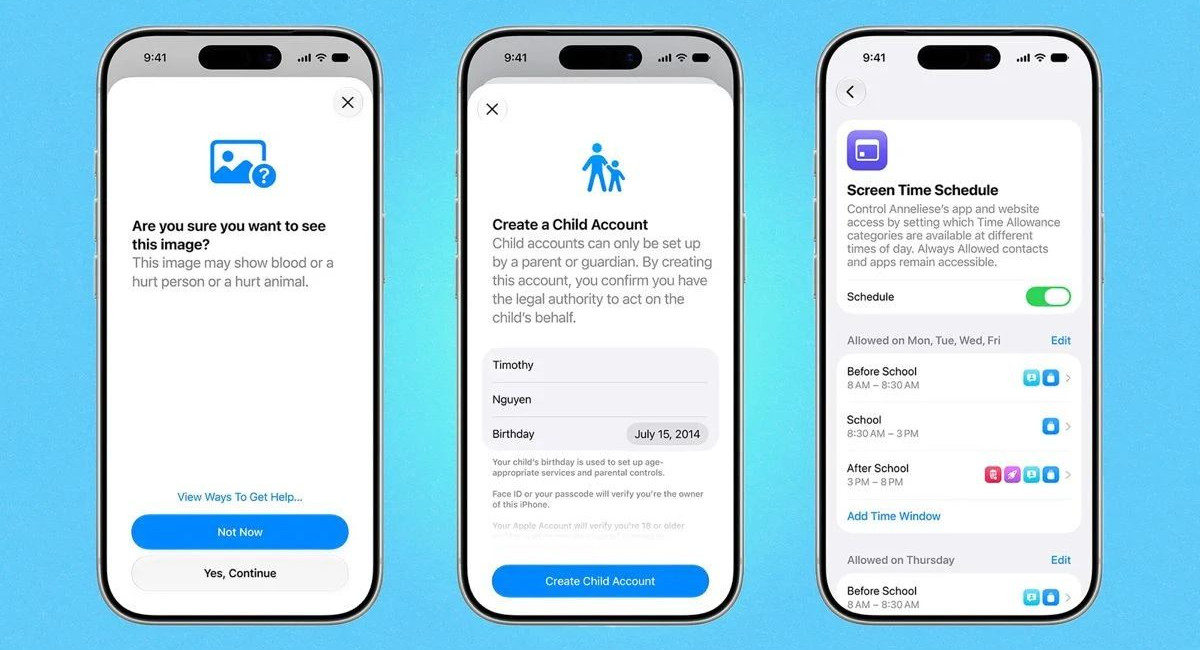
Beyond web browsing, iOS 27 brings substantial upgrades to the Communication Safety infrastructure. In previous iterations, this system primarily focused on shielding minors from explicit imagery. Now, the protective barrier has been expanded to automatically detect and block media containing extreme violence across core communication applications, including Messages, FaceTime, and AirDrop. A critical element of this expansion is Apple's unwavering dedication to user privacy. All media analysis is conducted entirely on the device, utilizing the advanced capabilities of the Secure Enclave processor. This means that no personal data or private messages are ever transmitted to external servers. Notably, the tech giant has recognized that older adolescents also require protection, automatically extending these safeguards to user accounts belonging to teens aged thirteen to seventeen.
The update also tightens the reins on social interactions by introducing stringent contact list management. The revised Communication Limits dictate that minors cannot unilaterally add new contacts to their devices. Every new addition requires explicit parental authorization, effectively creating a walled garden that significantly reduces the risk of unwanted or predatory communication from strangers.
Screen Time, a staple of Apple's digital wellbeing initiative, has also undergone a massive redesign to offer granular control over how devices are used throughout the day. Parents are no longer limited to setting a blanket daily time limit.Instead, they can dynamically allocate screen time across different application categories. For instance, a total daily allowance of two hours can be divided to permit only thirty minutes of recreational gaming, while reserving the remaining hour and a half strictly for educational applications. The system is intelligent enough to support custom schedules, automatically applying different rules for busy school weekdays versus leisurely weekends. Additionally, a new Time-Out function grants parents the ability to instantly lock down device access during family meals or outdoor activities with a single tap.
Finally, Apple is addressing the delicate balance between targeted app experiences and absolute privacy with the introduction of the Declared Age Range API. This tool allows app developers to query the operating system to determine if a user falls within a specific age bracket. Consequently, developers can tailor their user interfaces and restrict inappropriate advertisements without the App Store ever revealing the minor's exact date of birth. This innovation ensures that children receive age-appropriate content while their sensitive personal data remains strictly confidential.
Through these sweeping changes, iOS 27 represents a significant leap forward in digital parenting. By blending uncompromising privacy standards with intuitive, highly customizable management tools, Apple is empowering families to foster healthier and safer digital habits for the next generation.
MORE NEWS FOR YOU