
 Help & Support
 SEARCH
Beyond modern chatbots: Meta debuts autonomous assistant Muse
SHARE IT
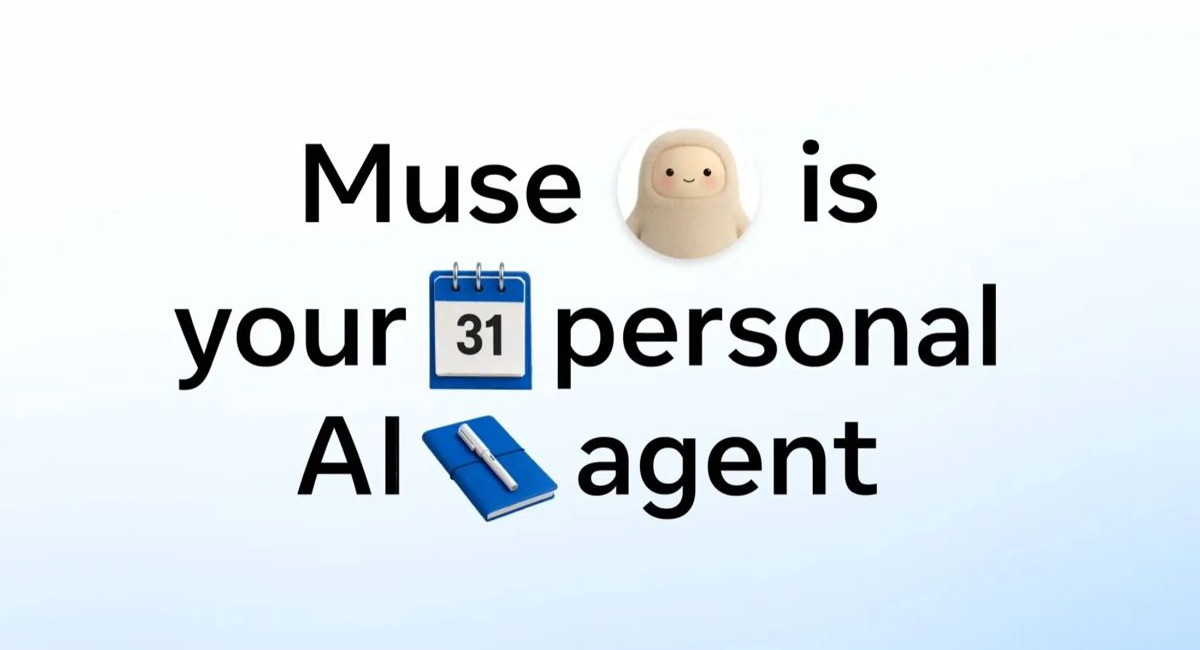
Meta has officially introduced Muse, a pioneering consumer-facing artificial intelligence agent engineered to execute complex multi-step tasks fully autonomously. Moving past traditional language models that merely generate conversational replies, this system actively interacts with web services on behalf of users. By taking concrete action within digital environments, the tech giant aims to shift the artificial intelligence paradigm from passive text generation to proactive daily task management.
Designed as an independent digital representative, Muse handles a wide array of chores ranging from online shopping to email drafting and travel scheduling. For instance, rather than simply identifying affordable flights, the software can proceed directly to booking, selecting preferred seats based on user parameters and processing payment details automatically. Furthermore, the agent incorporates negotiation capabilities for online marketplaces, evaluating counteroffers and closing deals within predefined constraints. However, granting such autonomy requires consumers to share sensitive credentials and financial accounts with the system.
Despite these advanced capabilities, the announcement has triggered skepticism regarding computational costs and efficiency. Executing mundane tasks through complex algorithms demands immense processing power on company servers. Analysts point out that replacing a brief manual task, such as drafting a quick email, with autonomous artificial intelligence execution consumes energy equivalent to hundreds of simpler digital operations. Spending extensive cloud infrastructure resources on minor daily routines raises valid concerns about long-term environmental sustainability and operational practicality.
Security and data privacy remain critical hurdles confronting the widespread adoption of autonomous assistants. Relying on an algorithm to manage personal finances and interact outside secure chat interfaces requires unprecedented consumer confidence. Meta’s historical record regarding data management further intensifies user hesitation, as accepting this service means permitting real-time oversight of personal inboxes and commercial activity.
Finally, regulatory compliance presents a major barrier to the deployment of Muse in foreign markets, particularly within the European Union. Strict frameworks such as GDPR and the AI Act necessitate fundamental adjustments to data handling practices, likely leading to delayed releases across European countries. Additionally, offering high-power cloud execution for routine tasks without charge seems economically unviable, making subscription-based premium access the most probable model for consumer adoption.
MORE NEWS FOR YOU