 Help & Support
 SEARCH
Firefox visual makeover puts control back in user hands
SHARE IT
In a web ecosystem increasingly dominated by massive platforms, standard browsing experiences can often feel rigid and impersonal. Mozilla is looking to disrupt this status quo. The organization recently pulled back the curtain on Project Nova, a comprehensive design overhaul aimed at making its flagship browser, Firefox, feel cleaner, faster, and more aligned with the modern needs of users.
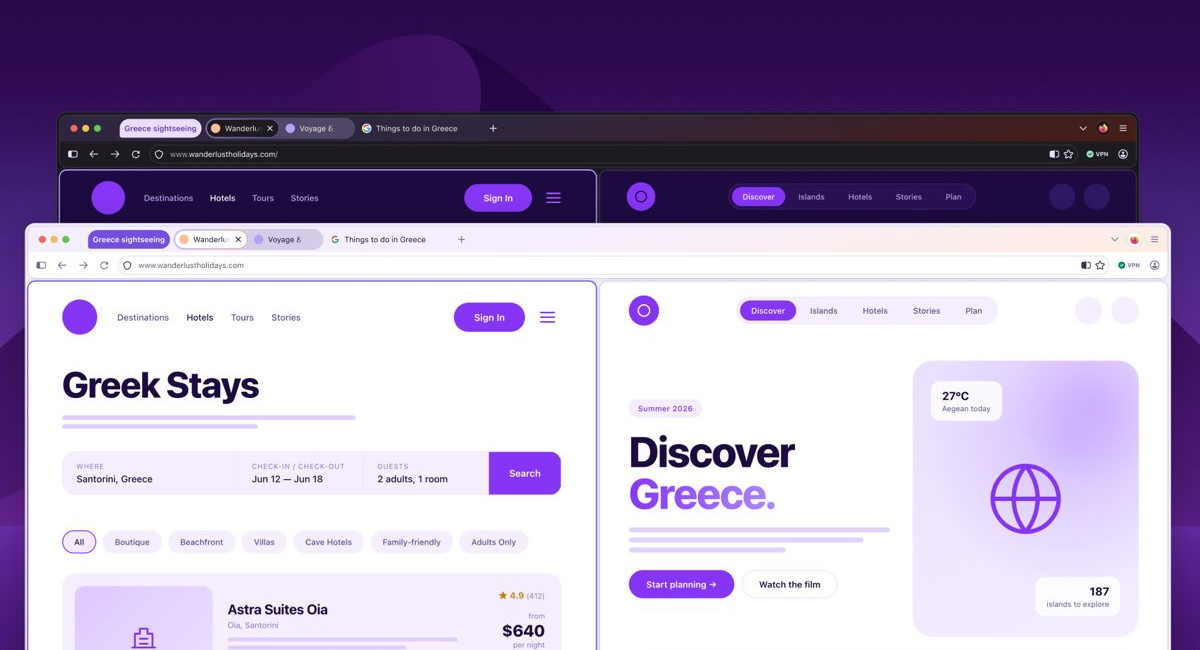
This upcoming initiative is not about replacing what makes the browser unique, but rather rejuvenating its existing foundation. Internally dubbed Project Nova, the visual transformation borrows its name from the astronomical phenomenon where an existing star flares into brilliant new light. When the update officially rolls out to the public later this year, users will simply know it as the next generation of Firefox—an independent, highly customizable, and privacy-first gateway to the internet.
At the core of this redesign is an uncompromising commitment to user privacy, a feature that Firefox positions as a fundamental right rather than an optional setting. The new interface brings security tools directly to the forefront, making it significantly easier for everyday users to locate and activate built-in features like the integrated VPN and private browsing modes. Additionally, a revamped Settings menu utilizes clearer, more straightforward language, allowing individuals to easily adjust their Enhanced Tracking Protection and manage data sharing preferences. Recognizing the growing footprint of artificial intelligence, the updated control panel also introduces explicit options to deactivate AI features entirely.
Beyond privacy, the development team has focused heavily on perceived performance, ensuring that the software feels noticeably quicker during daily use. Because Firefox actively blocks background trackers, web pages naturally load at higher speeds. The engineering team reports a nine percent improvement in loading times for core page content over the past year by prioritizing essential elements over peripheral clutter. Productivity workflows are also getting a major boost, with features like vertical tabs, tab groups, and split-view options integrated smoothly into the main interface. Furthermore, in response to direct user feedback, Mozilla is officially reinstating the highly requested compact mode for those who prefer minimal clutter.
Visually, the new aesthetic aims to strike a delicate balance between modern sophistication and familiar comfort. The design system avoids the generic, sterile look common in today’s tech landscape, opting instead for a warm and expressive palette inspired by the elements of fire. Users will notice softer shapes on tabs, with subtle gradients that highlight the active window. Icons and UI components have been streamlined to reduce visual noise across both light and dark modes, ensuring the browser remains a supportive backdrop rather than a distraction from web content. Even the editorial voice within the browser is shifting, adopting a more direct, human, and occasionally playful tone.
This visual and structural overhaul is not confined to the desktop experience. Mozilla is implementing a unified design language that extends across mobile platforms as well. By sharing identical color palettes, icon sets, and underlying structures, the update ensures a seamless transition for users moving between their computers and smartphones. Accessibility sits at the center of these changes, with careful optimization of contrast ratios, font readability, keyboard navigation, and specialized dark mode configurations designed to reduce eye strain.
True to its open-source heritage, Mozilla continues to develop this new era of Firefox in plain sight, relying heavily on feedback from its global community of contributors. The ultimate goal is to deliver a browser that does not just serve a platform, but truly belongs to the person using it.
MORE NEWS FOR YOU