 Help & Support
 SEARCH
Google elevates account recovery with dynamic selfie video verification
SHARE IT
Getting locked out of a personal Google account can feel like losing the key to one's entire digital livelihood. Emails, personal photos, cloud documents, and saved passwords often vanish behind a forgotten credential or an inaccessible phone number. To address this persistent headache, Google has officially launched an innovative security option that relies on dynamic selfie video verification. Designed primarily as an account recovery mechanism rather than a total replacement for daily logins, this new feature invites users to register their physical presence through a quick video recording to ensure seamless account restoration when traditional access channels fail.
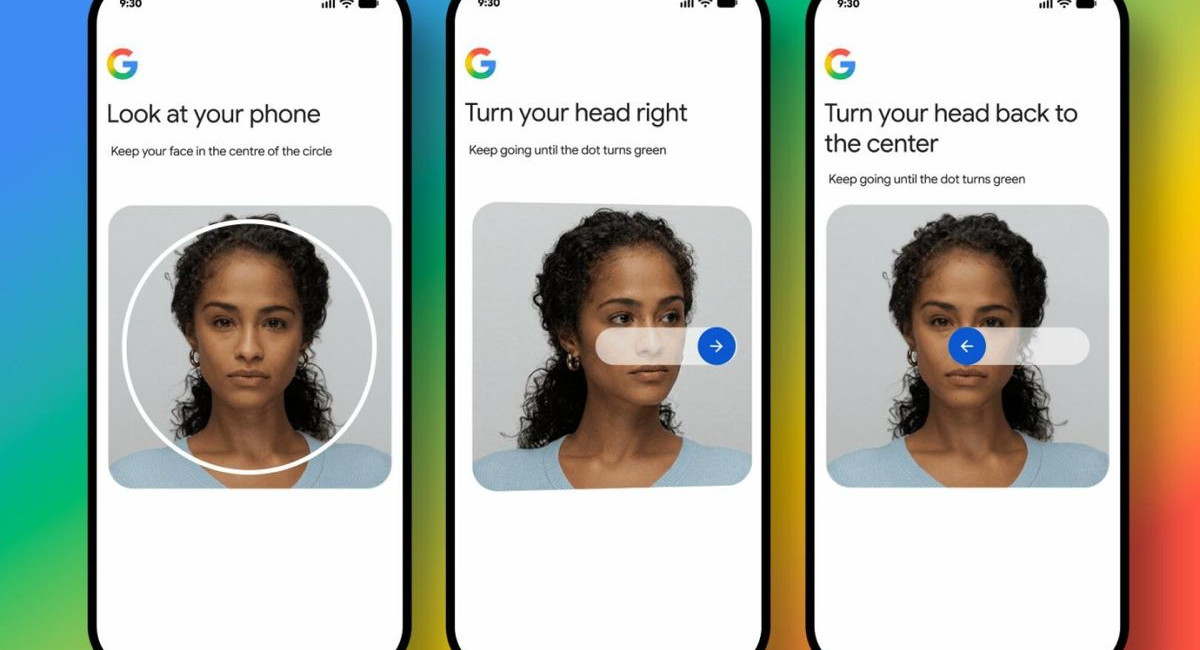
The enrollment process for selfie video verification is engineered to be straightforward for everyday users while capturing the detailed biometric spatial data necessary for authenticating identity. When configuring the setting within their Google Account security hub, individuals are instructed to position their face within the camera frame on a mobile device or desktop. The system then guides the user through a series of short head movements, such as looking left, right, up, or down. These action-guided prompts allow the algorithm to record facial features from multiple angles, creating a comprehensive digital profile that goes far beyond a conventional static photograph. For desktop users whose computers lack an integrated camera, Google facilitates the process by generating a QR code that smoothly hands off the recording task to a smartphone camera.
Security experts and tech observers have long warned about the vulnerabilities of simple biometric checks, particularly given the rapid advancement of artificial intelligence and deepfake video generation. To counteract potential spoofing attempts, Google has implemented a dynamic liveness detection architecture. When an individual attempts to recover an account using this method, the system does not simply compare a single recorded frame against a stored image. Instead, it prompts the user to perform fresh, randomized physical movements on camera in real time. By matching these live gestures with the previously saved video profile, Google can effectively distinguish a living person standing in front of the lens from a high-resolution printout, a digital screen playback, or a sophisticated AI-synthesized deepfake clone.
Privacy concerns naturally surface whenever biometrics and facial recognition enter the mainstream consumer landscape. In response, Google emphasizes that user consent and control remain central to the implementation. According to product leadership at Google Identity and Engagement, saved selfie videos are encrypted at rest and stored securely within the user's personal account infrastructure. The company asserts that the recorded footage is strictly reserved for account access and recovery unless the account holder explicitly chooses to opt in to broader data-sharing initiatives, such as helping Google refine its facial recognition, age estimation, or automated verification models. Furthermore, users retain the freedom to delete their stored selfie video at any time through their account settings, though doing so will naturally revoke access to this specific recovery pathway.
Despite its broad utility, selfie video verification is not immediately available across all account tiers or demographics. Enterprise and corporate users managing Google Workspace accounts, managed accounts created for children, and high-security profiles enrolled in Google's Advanced Protection Program are currently excluded from this initial rollout. Additionally, the feature requires clear visual conditions during both setup and authentication; users are advised to remove hats, sunglasses, and face masks, and to ensure that background lighting is clear without other individuals appearing in the camera frame.
As the tech industry continues its transition toward a passwordless future powered by passkeys, physical security keys, and biometrics, Google's introduction of selfie video verification represents a practical safety net. By providing an accessible yet secure alternative for stranded users, Google aims to minimize account lockouts without lowering the bar on digital protection.
MORE NEWS FOR YOU