 Help & Support
 SEARCH
Google extends AI Inbox feature to Gmail on Android and iOS
SHARE IT
Google has taken a significant step toward redefining mobile communication by officially extending its advanced AI Inbox feature to the Gmail applications on both Android and iOS devices. This strategic expansion marks a shift in how users interact with their mail on mobile phones, effectively transitioning the smartphone email experience from a passive repository of messages into an active, intelligent personal assistant.
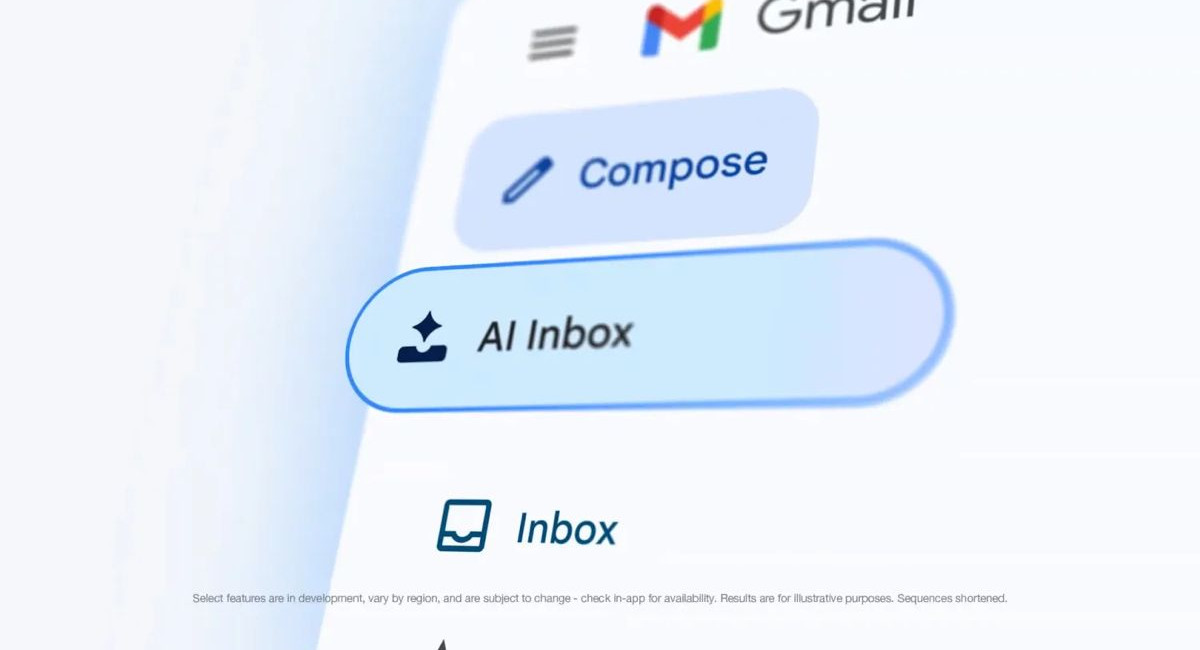
Previously restricted to desktop environments, this mobile rollout integrates the intelligence of Gemini directly into the palm of your hand. Instead of navigating through a maze of folders or relying on traditional unread message counts, mobile users will now find a dedicated interface designed to prioritize action over chronological clutter. By incorporating the technology directly into the application's bottom navigation bar, positioned strategically between the standard mail and chat tabs, Google is signaling that the future of communication relies heavily on automated prioritization. This prominent placement highlights a design philosophy centered on immediate utility, ensuring that users can access their most critical tasks without having to dig through standard navigation menus.
The core mechanism of this upgrade functions by fundamentally reorganizing how incoming data is presented. Upon opening the application, users are greeted with a personalized briefing that replaces the standard list of subject lines with two distinct categories: suggested to-dos and topics to catch up on. The system utilizes advanced contextual understanding to identify high-priority items such as upcoming utility bills, critical appointment reminders, or time-sensitive operational requests. Furthermore, it dynamically establishes a tier of vital contacts, or VIPs, by assessing past behavioral patterns, frequency of interaction, and established address book relationships, ensuring that messages from key stakeholders automatically rise to the top of the feed.
Beyond simple organization, the upgrade significantly enhances the capabilities of the native drafting companion, Help me write. Writing comprehensive responses on mobile devices has traditionally been hindered by the physical limitations of small screens and the constant need to switch between various productivity tools to gather facts. The updated system mitigates this friction by securely cross-referencing information across the broader Workspace ecosystem, pulling data directly from Google Drive and existing email threads to populate drafts. Whether a professional is tasked with distributing project updates to collaborators, addressing direct customer inquiries, or reporting milestones to corporate leadership, the system minimizes the need for tedious manual data entry.
Perhaps the most sophisticated aspect of this creative update is its ability to personalize tone and style. Rather than producing generic, robotic responses, the writing assistant analyzes previously sent messages to mimic the unique linguistic style of the user. This level of personalization ensures that automated drafts maintain professional consistency, matching the exact vocabulary, structure, and demeanor that colleagues or clients expect. By automating the mechanical aspects of writing, formatting, and sourcing, the platform attempts to transform email from a time-consuming administrative burden into a streamlined, highly efficient process.
However, access to this premium tier of digital assistance comes with a notable caveat regarding market availability and pricing structure. Currently, the comprehensive AI Inbox feature is operating in a beta phase and is exclusively available to subscribers of the top-tier Google AI Ultra plan, which carries a substantial monthly subscription fee aimed primarily at enterprise power users and corporate entities. For users operating on alternative tiers, such as the Pro, Plus, or standard Workspace business packages, Google has made the enhanced conversational features available, while keeping the full organizational dashboard exclusive for the time being. As the underlying models mature, industry analysts expect the availability to gradually trickle down to broader consumer segments.
Amid growing concerns regarding data handling and digital surveillance, Google has placed a strong emphasis on architectural privacy. The processing required to scan entire mailboxes and generate contextual summaries takes place within a secure environment designed to guarantee that personal data remains entirely under user control. The company has explicitly stated that the information processed through these inbox tools is not utilized to train public machine learning models. Additionally, the entire suite of features remains completely optional, allowing users who prefer traditional sorting methods to disable the automation at any time through their standard account settings, thereby maintaining a balance between cutting-edge utility and data sovereignty.
MORE NEWS FOR YOU