 Help & Support
 SEARCH
Google makes moving from iPhone to Android effortless
SHARE IT
Switching from Apple’s tightly guarded ecosystem to Google’s open world has long been a notorious headache for smartphone users. For years, making the leap meant bracing for an inevitable digital toll, including lost chat histories, missing photos, and broken configuration settings. Consumers routinely found themselves trapped in a dilemma, forced to choose between the comfort of their familiar digital footprint and the desire to experiment with a fresh mobile operating system.
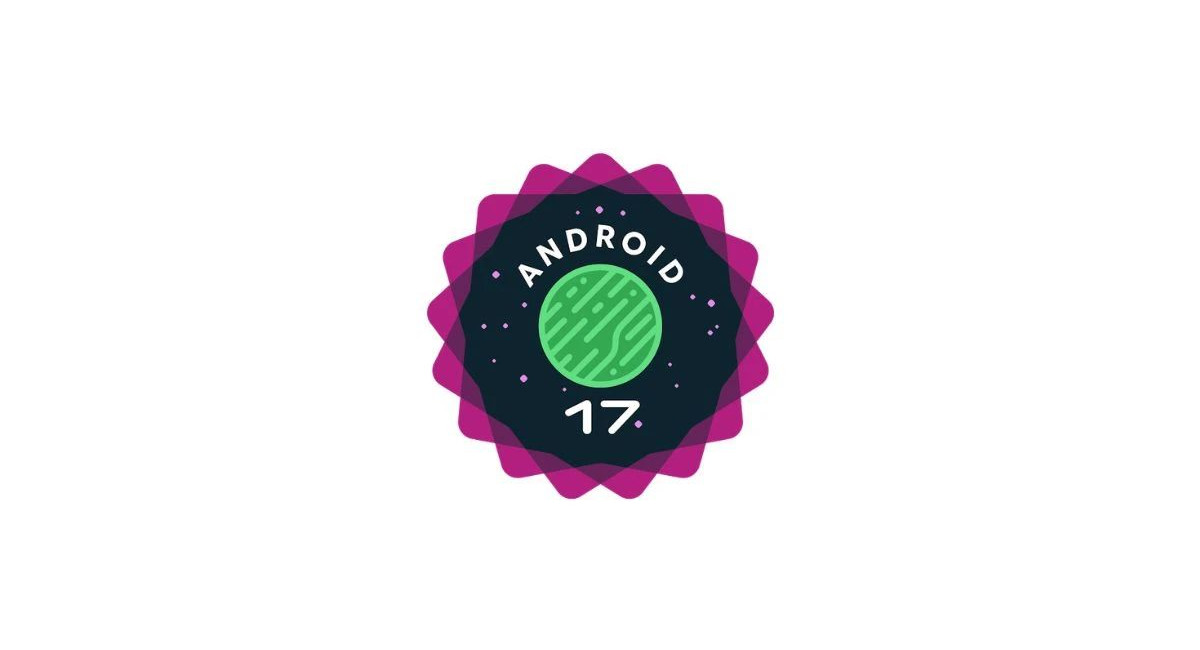
That historical friction is about to disappear. With the rollout of Android 17, Google has introduced a completely overhauled data-migration architecture known as Android Switch. Far from a routine software update, this initiative represents a deep structural rewrite engineered in direct collaboration with Apple. The goal is straightforward yet ambitious: making an operating system transition feel as completely seamless as upgrading to a new device from the same brand.
At the core of this upgrade is a system-level integration that bypasses the traditional reliance on third-party applications and cumbersome physical cables. Historically, users switching sides had to navigate a maze of setup steps, plug in Lightning-to-USB-C cables, and hope that no data packets dropped in transit. The new Android Switch operates entirely wirelessly during the initial device setup. The moment a user powers on an Android 17 smartphone, the system detects a nearby active iPhone, initiates a secure local peer-to-peer Wi-Fi network, and handles the encrypted data transmission automatically. Physical wired transfers remain an option, but Google Product Lead Paul Dunlop emphasizes that the wireless protocol is now the faster, more dependable standard. This background execution ensures that thousands of files move steadily without requiring manual oversight or unexpected reboots.
The true breakthrough, however, lies in the sheer volume and depth of data that can now cross the digital divide. Backed by regulatory pressures from the European Union, Google has successfully unlocked Apple's messaging archive. For the first time, users can migrate their complete iMessage history into Google Messages without fracturing conversation threads, losing multimedia attachments, or stripping out custom stickers and reactions.
Beyond text conversations, the data-transfer pipeline covers almost every critical element of a user’s digital life. Google Account information transfers quietly in the background, allowing instant access without password reentry. Secure credentials, including passkeys and complex passwords, migrate seamlessly to provide instant availability for banking platforms, social networks, and enterprise cloud accounts. The interface itself bridges the gap by mimicking the original iPhone Home screen layout, carrying over specific wallpapers, icon placements, and custom accessibility configurations. Furthermore, the tool migrates full eSIM profiles during setup, eliminating the traditional chore of contacting telecom operators or scanning new QR codes to restore cellular connectivity. Even platform-specific elements, like Apple Notes attachments, specialized labels, and Calendar files, transition without corruption.
This level of deep compatibility is powered by a set of newly developed cross-platform APIs. By providing app developers with these dedicated tools, Google ensures that data migration is no longer limited to just redownloading an app from the Google Play store. Instead, participating apps can directly pull their specific histories, personalized settings, and localized user databases from the iOS counterpart. Users can open an app on Android 17 and find it in the exact state they left it on their old iPhone. Apple has updated its official documentation to reflect these changes, signaling that the same interoperability protocols will assist users moving in the opposite direction toward iOS 27.
While the technology marks a major leap forward, wide-scale availability will follow a staged rollout. Because different smartphone manufacturers apply highly customized skins and software layers over the stock operating system, deploying Android Switch across the entire ecosystem takes time. Initial availability is strictly limited to a select group of hardware running Android 17, primarily Google Pixel devices. Major partners like Samsung and other global manufacturers are expected to integrate the system into their upcoming models over the next few months.
MORE NEWS FOR YOU