 Help & Support
 SEARCH
Google Photos and your new AI closet
SHARE IT
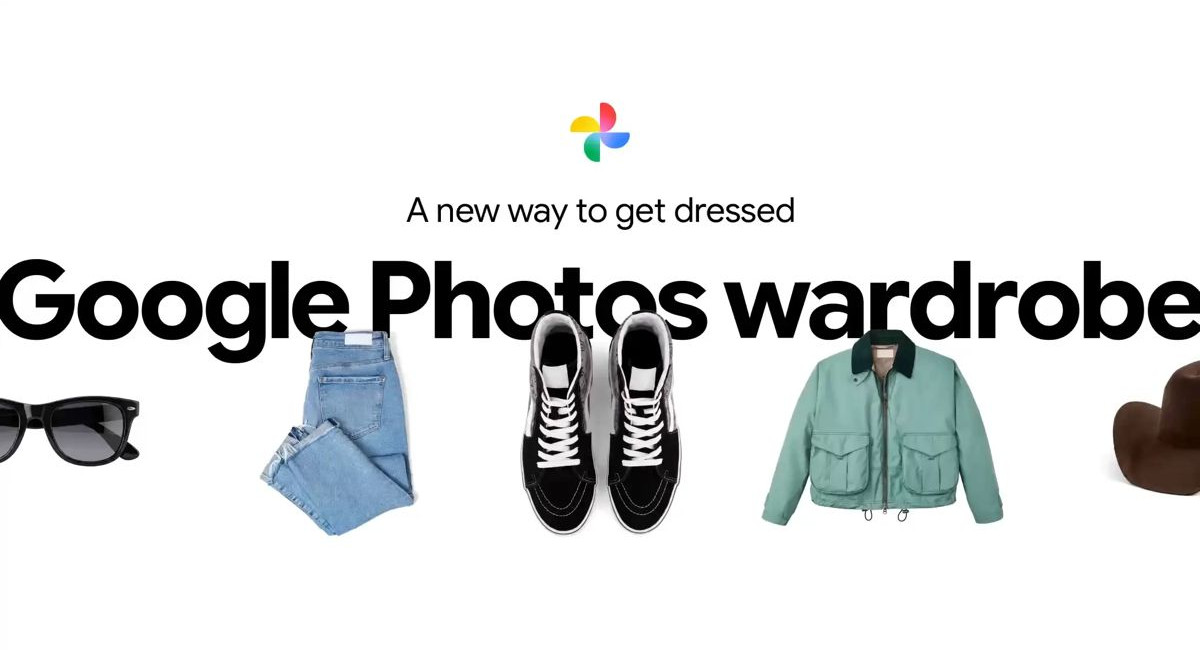
The age-old dilemma of standing before a full wardrobe and feeling like there is absolutely nothing to wear might soon become a relic of the past. Google is preparing to transform Google Photos from a simple storage gallery into a sophisticated, AI-driven digital stylist. By leveraging advanced computer vision and machine learning, a new feature called Wardrobe is set to inventory your personal fashion history, effectively turning years of forgotten snapshots into a functional, searchable, and interactive digital closet.
Under the hood, this evolution is powered by the same generative AI technology that has recently redefined search and image editing. The system autonomously scans your entire library, identifying garments you have worn in past photos. It does not just recognize a shirt; it categorizes it. Users will find their clothing neatly sorted into sections such as tops, bottoms, outerwear, and even jewelry. This automated cataloging solves the primary issue of physical closets: visibility. By bringing buried items to the forefront of a smartphone screen, Google is betting that the key to a better style is simply remembering what you already own.
Beyond mere organization, the Wardrobe feature introduces a creative layer through digital moodboards. Users can mix and match different pieces to curate outfits for specific upcoming events—be it a summer wedding or a business trip—without ever having to physically try them on. These combinations can be saved and shared with friends for feedback, making the process of getting dressed a collaborative and digital-first experience. It is a modern realization of the iconic computerized closet seen in the 1990s classic Clueless, brought to life through the lens of modern AI.
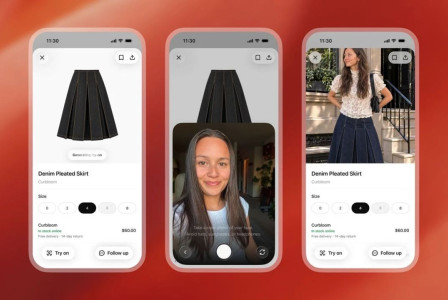
The most technically impressive aspect of this update is the Virtual Try-On tool. While Google has previously offered similar technology for shopping, this marks the first time it is being applied to a user's own existing clothes. The AI generates a photorealistic preview of how selected items will look on your specific body frame, accounting for how fabrics drape and fit. This removes the guesswork and the physical exhaustion of multiple outfit changes, allowing for a "try before you wear" approach that happens entirely within the app.
However, the transition to a digital wardrobe is not without its hurdles. Since the AI relies on existing photos, it can only catalog what has been documented. Furthermore, the system may struggle with accuracy regarding items that have since been discarded or donated, as it lacks a real-time connection to your physical drawers. There are also looming questions regarding privacy and data processing, specifically whether these scans occur locally on the device or in the cloud. As the rollout begins this summer, starting with Android users, the world will see if AI can truly solve the daily friction of personal fashion.
MORE NEWS FOR YOU