 Help & Support
 SEARCH
Google updates the wrist experience with AI infused Wear OS 7
SHARE IT
The smartwatch ecosystem is experiencing a significant shift as Google officially rolls out Wear OS 7 to its eligible Pixel Watch lineup. This latest software iteration aims to transition the wearable device from a passive notification screen into a proactive digital companion. Centered on the foundation of Android 16, the platform brings a fresh user interface, smoother performance, and a notable boost in daily efficiency that caters directly to power users who keep their smartwatches attached to their wrists almost twenty-four hours a day.
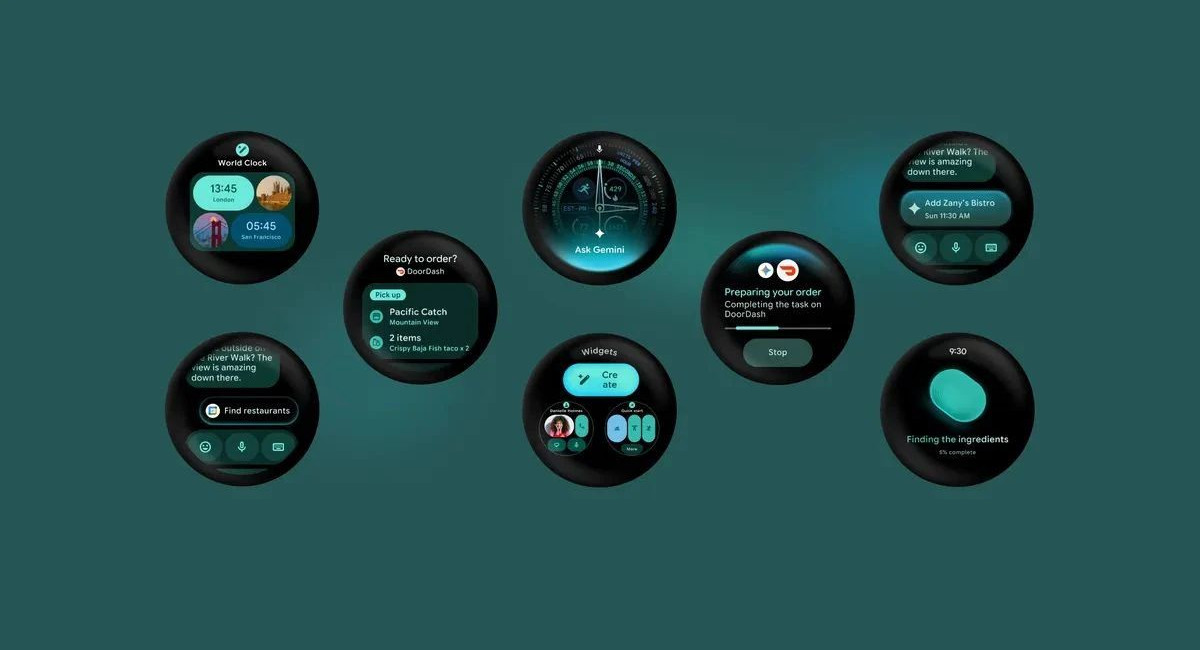
At the core of this upgrade is the highly anticipated integration of Gemini Intelligence, which is scheduled to land on premium hardware later this year. Rather than just offering basic voice commands, this system uses a framework called AppFunctions. This allows the AI assistant to perform deeply integrated actions inside third-party applications based on context and natural language commands. For instance, instead of navigating menus, a user can instruct the watch to trigger specific fitness routines or control selected media playlists. Additionally, the interface introduces Personal Intelligence, a feature designed to securely draw relevant details from the user's personal Google ecosystem, such as Gmail and Search history, to offer predictive and highly contextual assistance without requiring the user to interact with a smartphone.
Aside from the upcoming artificial intelligence capabilities, Wear OS 7 introduces immediate functional changes through Live Updates. This feature mirrors real-time tracking from Android smartphones directly onto the wearable screen. Users can glance at their wrists to observe ongoing activities, such as sports scores, the estimated arrival time of a food delivery service, or active workout progress, all updated dynamically in the background.
The traditional visual structure of the operating system is also getting a makeover. The familiar Tiles layout is being phased out to make room for Wear Widgets. These widgets utilize a more flexible design language that departs from full-screen static pages, allowing developers to present complex information in a more elegant and customizable format. Coupled with expanded accessibility features and enhanced theme customization options, users can tailor the aesthetic and informational density of their watch faces to match their specific preferences.
Furthermore, ecosystem connectivity receives a major boost with this release. Wear OS 7 is engineered to bridge the gap between various connected accessories. It pairs seamlessly with media equipment and upcoming audio and intelligent eyewear solutions coming to the market. For instance, if a user captures an image using a pair of smart glasses, a preview can quickly appear on the connected smartwatch face. Managing multimedia playback across household smart speakers or Bluetooth headphones becomes vastly simpler through an updated media output switcher built right into the wrist interface.
Crucially, Google has managed to implement these features while tackling the historically sensitive issue of wearable endurance. Thanks to systematic optimizations in power management and background application execution, Wear OS 7 promises an improvement of up to ten percent in battery efficiency compared to devices running previous versions. This means the wearable can sustain heavy tracking and connected tasks much longer throughout the standard daily cycle.
The deployment of Wear OS 7 is initially targeting the Pixel Watch 2, Pixel Watch 3, and Pixel Watch 4, with a staggered rollout strategy typical of major Google updates. While other manufacturers like Samsung are expected to adopt the new platform standards for their own upcoming devices later, Pixel owners are the first to experience this reimagined vision of a fully integrated, AI-assisted wearable ecosystem
MORE NEWS FOR YOU