 Help & Support
 SEARCH
How Samsung is revolutionizing the battle against Sleep Apnea
SHARE IT
The quest for a perfect night of rest is an ongoing challenge for millions around the globe, yet a significant portion of the population remains completely unaware of a hidden saboteur disrupting their slumber. Obstructive sleep apnea is a pervasive and potentially dangerous medical condition characterized by repeated pauses in breathing while a person is asleep. These respiratory interruptions can drastically reduce oxygen levels in the bloodstream, leading to fragmented rest and an elevated risk of severe health complications such as hypertension, stroke, and chronic cardiovascular disease. Alarmingly, medical research indicates that roughly four out of five individuals suffering from this disorder are entirely oblivious to their condition. Traditionally, pinpointing the presence of this breathing anomaly has required patients to spend the night in a specialized sleep clinic, a process that is often prohibitively expensive, deeply time-consuming, and physically uncomfortable.
In conjunction with the global observance of World Sleep Day, new data drawn from a vast international study of Samsung Health users is shedding necessary light on the alarming prevalence of this underdiagnosed respiratory issue. The comprehensive findings underscore just how thoroughly the disorder can dismantle a healthy sleep cycle. Embracing the annual theme of living better through optimal rest, tech giant Samsung Electronics is stepping forward to demystify these hidden physiological disruptions. By leveraging the advanced biometric capabilities of the Galaxy Watch series, the company aims to translate invisible symptoms into clear, actionable health data that empowers users to take charge of their nighttime well-being.
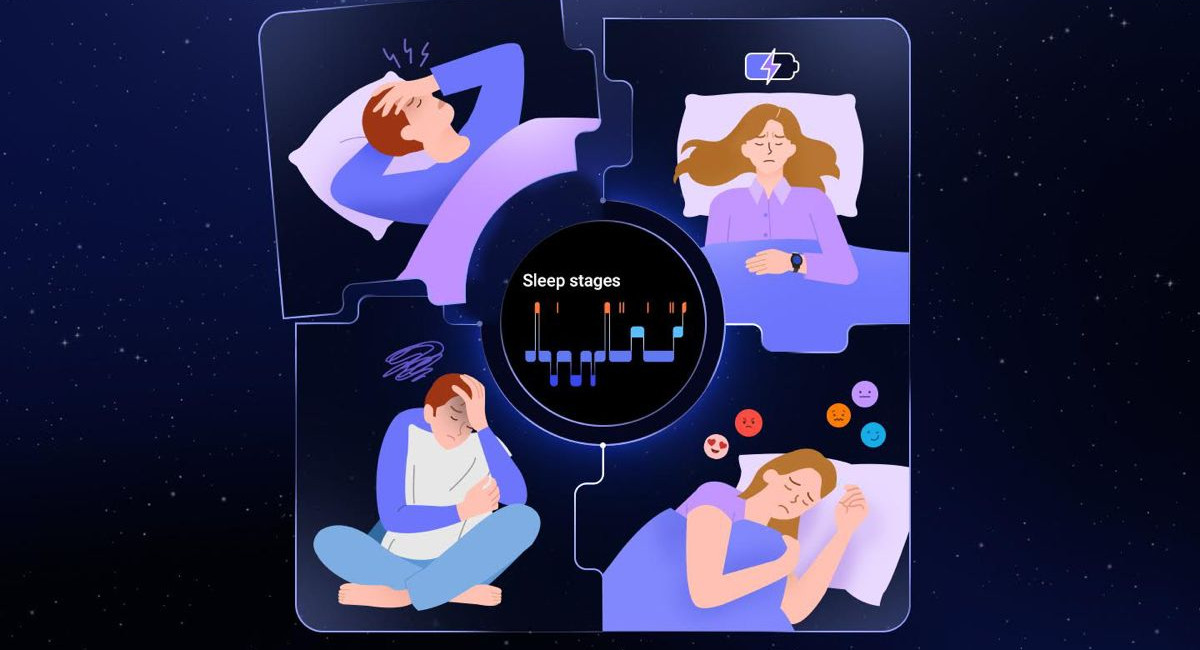
The sheer scale of the problem is substantial, with the recent global survey revealing that nearly a quarter of the study participants exhibited indicators associated with a high risk of experiencing breathing pauses during the night. Dr. Vanessa Hill, a prominent behavioral sleep scientist, explains that the microscopic awakenings triggered by sudden drops in oxygen create a severely fragmented rest cycle. According to Dr. Hill, these frequent interruptions prevent the brain from fully settling into the crucial rapid eye movement phase and the restorative deep sleep stages that are absolutely essential for both cognitive maintenance and long-term physical recovery.
A closer look at the study data reveals the specific ways in which this condition chips away at nocturnal recovery. For instance, individuals flagged by their Galaxy Watch as having moderate to severe indicators of breathing disruptions lost an average of four minutes of rapid eye movement sleep per night. This specific sleep phase is critical for emotional regulation, complex memory consolidation, and general learning functions. A chronic deficit in this area can easily translate into unpredictable mood swings, forgetfulness, and a noticeable decline in professional performance and overall daily vitality.
Furthermore, the disorder consistently robs individuals of roughly eight minutes of deep sleep each night. Deep sleep serves as the primary window for the human body to repair itself physically. It is the precise period when vital growth hormones are secreted, damaged muscle tissue is rebuilt, and the immune system is fortified to successfully ward off illness. Consequently, missing out on this vital restorative phase can leave a person feeling perpetually drained, significantly slowing down physical recovery times and increasing their overall susceptibility to common seasonal infections.
The constant interruptions also manifest as frequent awakenings throughout the night. Those exhibiting signs of the disorder were found to wake up more often and remain awake for roughly four minutes longer than those without symptoms. These repetitive disruptions completely derail the natural progression of standard sleep cycles, effectively trapping individuals in the lighter, far less beneficial stages of rest and guaranteeing a profound sense of exhaustion the following day, regardless of how long they stayed in bed. Overall, those affected experienced about twelve minutes less total sleep time per night, a deficit that severely damages overall rest quality. Dr. Hill emphasizes that even minor reductions in duration are exponentially worsened by the massive drop in actual rest quality, highlighting the profound difference between simply lying in bed and truly recovering.
To actively combat this widespread issue, Samsung has introduced an innovative home detection tool directly integrated into the Galaxy Watch ecosystem. Rather than enduring an inconvenient clinical sleep study, users can simply monitor their rest with a compatible wearable device for a minimum of four hours over two separate nights within a ten-day window. Utilizing the highly sophisticated BioActive Sensor, the device carefully tracks minute fluctuations in blood oxygen saturation to accurately detect episodes of restricted or halted breathing.
This groundbreaking feature calculates an estimated severity index, providing users with concrete, reliable data that they can then confidently present to a medical professional. Having already received authorization from major regulatory bodies like the FDA, this accessible technology effectively democratizes the crucial initial diagnostic step, removing traditional barriers to medical care. Paired with holistic wellness features like personalized behavioral coaching and customized bedtime recommendations within the Samsung Health application, the Galaxy Watch is fundamentally transforming the modern approach to nocturnal health, proving that a healthier, far more energized tomorrow begins with comprehensively understanding the night.
MORE NEWS FOR YOU