
 Help & Support
 SEARCH
Power to the people: Europe mandates battery swaps by 2027
SHARE IT
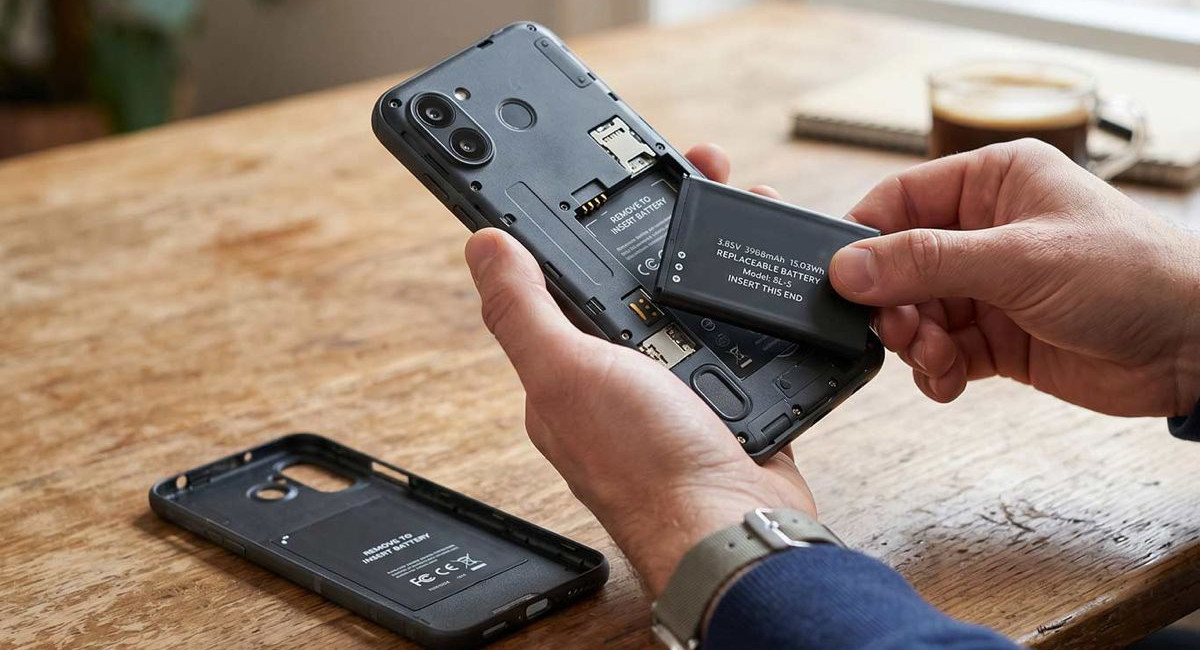
The era of disposable high-end electronics is facing a legislative expiration date. Under new directives aimed at fostering a circular economy, the European Union has decreed that all smartphones and tablets sold within its borders must feature user-replaceable batteries by February 18, 2027. This landmark regulation represents a decisive strike against planned obsolescence, a practice where devices are designed with a limited functional life to encourage frequent upgrades. For years, the integration of non-removable power cells has forced consumers to abandon perfectly functional hardware once the battery capacity inevitably degrades.
According to the legal framework established by EU officials, manufacturers are now tasked with a significant engineering pivot. Portable devices must be designed so that an average consumer can remove and replace the battery using commercially available tools. If the disassembly process requires specialized equipment, brands will be obligated to provide these tools at no additional cost at the point of sale. This shift effectively dismantles the monopoly that authorized service centers have held over basic maintenance, potentially saving European consumers an estimated €20 billion by the end of the decade.
The environmental implications of this mandate are profound. Europe is currently grappling with a staggering volume of electronic waste, with millions of devices discarded annually. By extending the operational lifespan of a smartphone through simple battery maintenance, the Brussels-led initiative seeks to drastically reduce the continent’s carbon footprint. The regulation also includes a strict provision for long-term support: manufacturers must ensure that replacement batteries remain available on the market for at least five years after a product’s final production run. This ensures that a device purchased today doesn't become a paperweight three years from now due to a lack of spare parts.
While tech giants have historically argued that sealed designs are necessary for achieving sleek aesthetics and water resistance, the EU is prioritizing sustainability over form factor. Industry analysts suggest that while we might not see a return to the "pop-out" plastic backs of the early 2010s, we will see a new wave of modularity. This could involve innovative internal layouts that protect sensitive components while still allowing access to the power cell. Furthermore, the regulation is part of a broader sustainability package that also demands more durable battery chemistry and higher resistance to general wear and tear.
As February 2027 approaches, the global tech industry is watching closely. Given the size and influence of the European market, it is highly likely that manufacturers like Apple and Samsung will apply these design changes globally rather than maintaining separate production lines for different regions. This would mean that the EU’s "Right to Repair" movement could fundamentally reshape the relationship between consumers and their gadgets worldwide, turning the smartphone from a fragile, temporary rental into a durable piece of personal infrastructure
MORE NEWS FOR YOU