 Help & Support
 SEARCH
OpenAI abandons Video Generation for the lucrative realm of code
SHARE IT
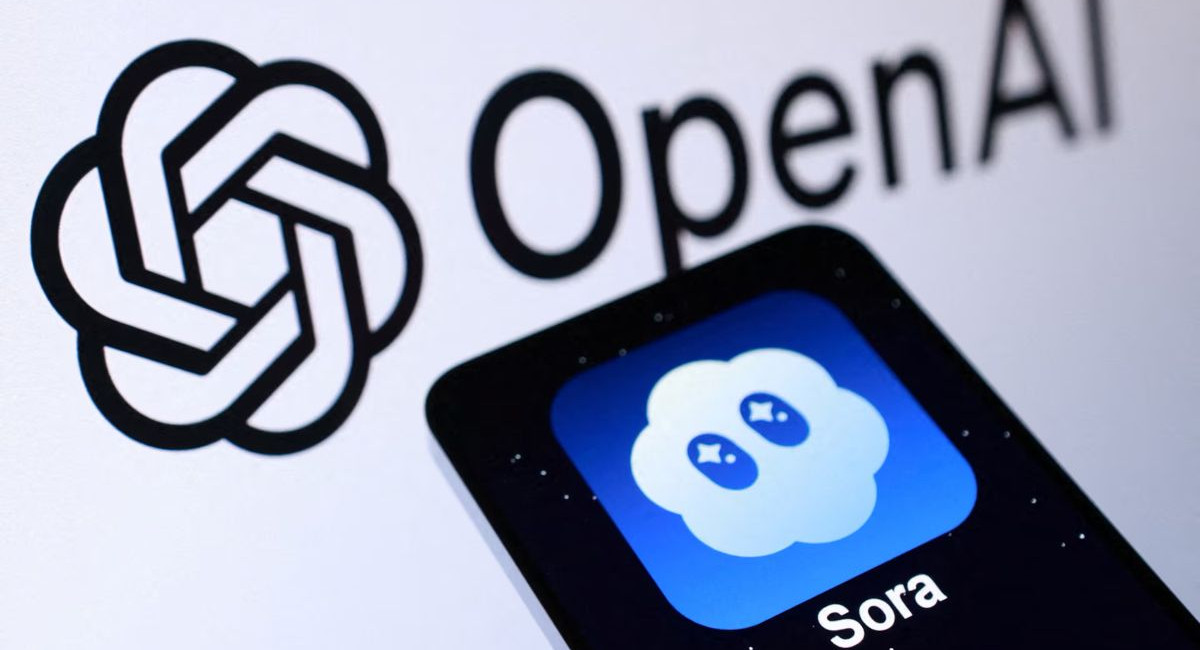
In a surprising turn of events that underscores the harsh economic realities of artificial intelligence development, OpenAI has officially decided to dismantle its highly publicized video generation ecosystem. The tech giant is discontinuing the dedicated Sora mobile application as well as the underlying developer interfaces. This sudden retraction marks a significant strategic pivot for the company, moving away from consumer-facing creative media and aggressively towards the highly profitable enterprise software engineering market.
The trajectory of Sora has been nothing short of a rollercoaster. When OpenAI first unveiled the technology in the early months of 2024, the tech industry and creative professionals alike were captivated. The platform promised to translate simple text prompts into highly realistic, coherent, and imaginative video sequences, a feat that seemed almost magical at the time. Following an extended period of private testing, the tool became accessible to paying ChatGPT subscribers toward the end of that year. The ecosystem received a massive boost the following October with the launch of the second-generation model and a standalone mobile platform. This update brought sophisticated community features, allowing creators to remix content and insert customized elements into existing footage, generating immense initial buzz.
However, the explosive early enthusiasm proved difficult to sustain. Data from the market analysis firm Appfigures paints a vivid picture of a shooting star. Despite launching behind an invite-only barrier, the mobile application garnered a hundred thousand downloads on its very first day, eventually surging past the one million milestone at a pace that reportedly eclipsed even the early days of ChatGPT. Yet, the novelty seemingly wore off. By the dawn of 2026, user engagement had dwindled significantly, and the platform had quietly slipped out of the top one hundred ranking on the American digital storefront. The initial curiosity of the general public did not translate into a sticky, daily-use habit.
The fundamental reason behind this dramatic shutdown, however, is not merely a drop in casual user interest, but rather the crushing financial burden of the underlying infrastructure. Generating high-fidelity video through artificial intelligence requires an astronomical amount of computing power. According to industry insiders, the sheer cost of processing these requests for everyday consumers and independent application builders far outweighed any realistic revenue models. Maintaining the vast arrays of specialized processors needed to run these complex algorithms is an expensive endeavor, and OpenAI simply found that the math did not support a sustainable business model in the visual media sector.
Consequently, the organization is realigning its immense resources toward a sector where the return on investment is undeniable: software programming. Over the last year, automated coding assistants have become the gold rush of the artificial intelligence sector. Startups and global enterprises are pouring billions of dollars into tools that can exponentially increase the productivity of their engineering teams. The financial incentive here is massive. Rival organizations, notably Anthropic, have successfully capitalized on this specific niche, reportedly driving their annualized revenue up to a staggering fourteen billion dollars. Facing the continuous need to fund its ever-expanding infrastructure, OpenAI is compelled to follow the money, shifting its engineering prowess toward enterprise coding solutions rather than consumer entertainment.
This abrupt change in direction has also caused significant ripples in the entertainment industry, most notably bringing a premature end to a highly publicized, billion-dollar collaboration with Disney. The entertainment conglomerate had been exploring ways to integrate this generative technology into its vast production pipelines. Following the shutdown announcement, Disney released a statement to the trade publication Variety, adopting a diplomatic tone. The entertainment giant acknowledged the volatile nature of the emerging technology landscape and respected the strategic shift made by OpenAI. They emphasized their ongoing commitment to exploring new digital frontiers while maintaining a focus on responsible innovation that respects the intellectual property rights of human creators.
Ultimately, the demise of the Sora platform serves as a reality check for the generative technology boom. While the algorithms are capable of breathtaking creative feats, the physical constraints of hardware and energy consumption dictate what can survive in the open market. The vision of putting a hollywood studio in the pocket of every smartphone user has not been permanently erased, but it has certainly been deferred. Until the processing costs decrease dramatically, the dream of truly democratized video generation will remain paused, waiting for a more cost-effective era to arrive.
MORE NEWS FOR YOU