 Help & Support
 SEARCH
Pause Point: Google bets on intention over restrictions to fight screen addiction
SHARE IT
It is an all too familiar scene in the modern digital landscape. A user picks up their smartphone with the innocent intention of checking a single notification, only to find themselves trapped in an endless cycle of scrolling through disheartening headlines and trivial social updates hours later. This phenomenon, widely known as doomscrolling, has become a defining characteristic of our relationship with technology. For years, the major architects of the tech industry seemed content to look the other way, maximizing profits and user engagement metrics while downplaying the addictive nature of their platforms. However, a shifting global perspective is forcing these giants to confront the psychological consequences of their creations.
In response to this growing crisis of digital well-being, Google is introducing a fresh strategy aimed at disrupting our worst smartphone habits. Rather than relying on traditional, easily bypassed restriction methods, the search giant is rolling out a new feature for Android devices named Pause Point. This tool represents a significant departure from standard screen time management, seeking to establish a middle ground where technology is consumed with conscious intent rather than mindless habit.
For a long time, the tech world’s answer to smartphone addiction was the implementation of simple application timers and digital wellness dashboards. Both Android and iPhone devices have incorporated these tools for years, complemented by a vast marketplace of third-party monitoring software. Yet, as many frustrated users can attest, these conventional boundaries suffer from a fundamental design flaw. When an app timer expires, the device usually offers a convenient option to request more time. With a single tap, the restriction vanishes, and the cycle of doomscrolling resumes. Total device blackouts, on the other hand, often prove too frustratingly rigid, causing users to abandon them altogether.
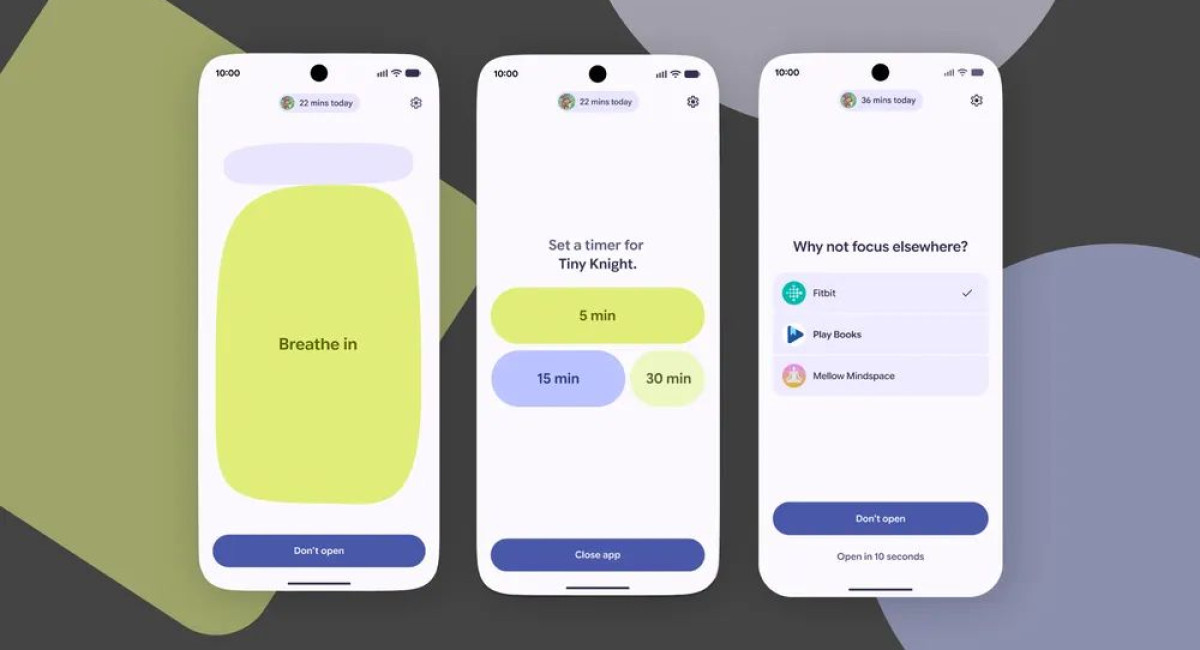
This is exactly where Pause Point aims to rewrite the rules. Instead of abruptly locking a user out of an application, the feature acts as a cognitive speed bump. When someone attempts to open a known digital distraction, the system introduces a mandatory ten-second breathing space. During this brief interlude, users are encouraged to take a moment to reflect on their choices. They can participate in short breathing exercises right on the screen or consciously set a hard limit on how long they intend to browse. The underlying goal is to nudge individuals to abandon the application before they fall into a hypnotic trance of endless content consumption.
Furthermore, Google has designed the system to actively steer users toward healthier behavioral alternatives. Instead of presenting a blank screen or an angry warning, Pause Point offers constructive diversions tailored to the individual. The system might prompt a user to browse through their favorite personal photographs, listen to a chapter of an audiobook, or redirect their attention to a more productive application. By offering immediate, positive alternatives, the tool attempts to satisfy the brain’s craving for stimulation without resorting to toxic algorithms.
Crucially, the developers have introduced an element of friction to prevent users from simply disabling the tool during a moment of weakness. Unlike traditional settings that can be toggled off with a quick swipe, turning off Pause Point is an intentionally tedious process. Users who wish to deactivate the mechanism must completely restart their smartphones. This minor inconvenience serves as a clever psychological barrier, forcing individuals to question whether they truly want to disable the protection or if they are simply acting on an impulsive urge to scroll.
This technological pivot arrives at a moment of heightened regulatory scrutiny worldwide. Governments and international bodies are actively drafting legislation to protect younger demographics from the addictive design patterns of social media networks. The industry itself is beginning to respond to this pressure in various ways. For instance, YouTube recently introduced an update that allows users to disable the infinite scrolling mechanism of its Shorts video player. With Pause Point, Google is expanding this philosophical shift to the operating system level, attempting to transform the smartphone from an addictive casino of distractions into a tool that respects human attention. Whether this new approach will successfully break our collective scrolling habit remains to be seen, but it represents an essential step toward a healthier digital future.
MORE NEWS FOR YOU