 Help & Support
 SEARCH
Symphony of the future: Google is rewriting the rules of music with Lyria 3 Pro
SHARE IT
In an industry where generative artificial intelligence is constantly redefining the boundaries of human creativity, Google has officially pulled back the curtain on its most ambitious audio project to date. The tech giant has announced the launch of Lyria 3 Pro, a highly sophisticated music generation model designed to completely transform how we conceptualize, compose, and consume digital soundscapes. This significant expansion of the company's generative ecosystem is not merely a software update; it is a comprehensive suite of tools that promises to hand unprecedented creative power to everyday consumers, software developers, and seasoned industry professionals alike.
To fully appreciate the magnitude of this technological advancement, it is essential to look back at the foundation laid just weeks prior. Only last month, the tech community was introduced to the standard Lyria 3 model, an impressive engine capable of conjuring thirty-second musical snippets from thin air. That initial release captivated users by generating custom cover art through the Nano Banana image model and synthesizing full vocal performances. It showcased a remarkable ability to generate its own lyrics based solely on user prompts, while offering foundational controls over the stylistic direction, the vocal characteristics, and the underlying tempo of the track. It was a tantalizing glimpse into the future of automated composition, but it was ultimately restricted by its short runtime.
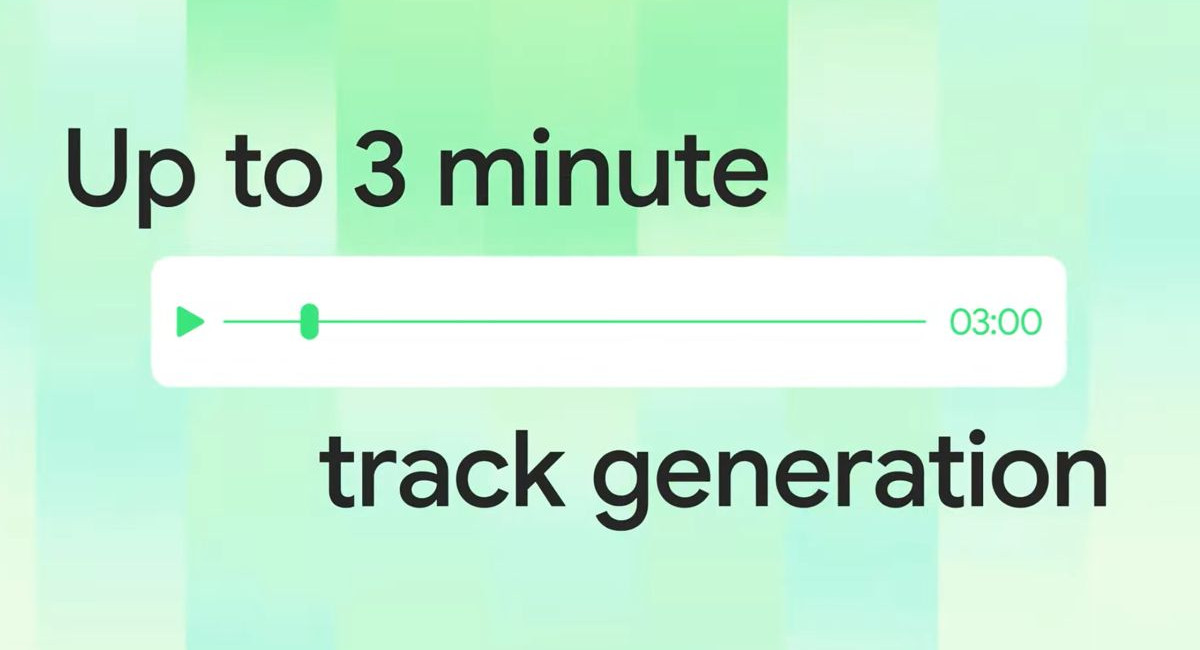
Today, those temporal constraints have been shattered. With the introduction of the Pro variant, Google has elevated its audio generation capabilities to entirely new heights. The most striking upgrade is the extension of the track length, which now reaches a full three minutes, effectively bridging the gap between a brief audio sketch and a complete, radio-ready song. Alongside this extended duration comes a deeply granular level of customization that puts the user in the producer's chair. Creators can now input highly specific structural prompts, directing the artificial intelligence to craft distinct intros, dynamic verses, soaring choruses, and complex melodic bridges. According to the development team, this structural awareness allows the system to produce tracks that exhibit a profound level of musical complexity and a startlingly realistic acoustic presence.
The strategic rollout of this technology reveals a clear intention to dominate every facet of the audio market, starting with enterprise solutions and large-scale infrastructure. Through Vertex AI, the new model is currently available as an application programming interface in public preview. This specific deployment is tailor-made for massive organizations, particularly those operating within the gaming and multimedia broadcasting sectors, enabling them to generate vast libraries of dynamic soundtracks at scale. Simultaneously, independent developers and software engineers are being granted access through Google AI Studio and the Gemini application programming interface. By placing these advanced tools alongside the existing real-time generation models, the company is actively encouraging a new wave of third-party applications built upon its proprietary audio engine.
The integration continues deep into the corporate workspace and the consumer ecosystem. The advanced generation model has been seamlessly woven into Google Vids, the enterprise-focused video creation platform. This integration allows corporate teams to generate bespoke background music perfectly timed and stylistically matched to their internal presentations and marketing materials. For the individual tech enthusiast, the upgraded capabilities are rolling out within the Gemini application itself. Subscribers on the premium AI Pro and Ultra tiers can now access the full power of the three-minute generation engine directly from their mobile devices or desktop browsers, turning everyday users into amateur composers.
Perhaps the most intriguing application of this new technology lies in its targeted appeal to the traditional music industry. The advanced model is now a core component of ProducerAI, a collaborative digital audio workstation environment specifically designed for professional musicians. Available to both free and paid users of the platform, this integration frames the artificial intelligence not as a replacement for human talent, but as an interactive co-writer. Artists, beatmakers, and lyricists can leverage the system to rapidly prototype melodies, experiment with unconventional chord progressions, and iterate on comprehensive song structures before heading into a physical recording studio.
As with any powerful generative technology, the specter of copyright infringement and deepfake audio looms large over the music industry. Recognizing the critical need for transparency, the developers have implemented robust security measures across the entire generative suite. Every single piece of audio produced by these models is embedded with a SynthID watermark. This proprietary technology weaves an imperceptible, cryptographically secure signature directly into the audio waveform, ensuring that platforms, publishers, and listeners can definitively identify the content as machine-generated. As the lines between human and artificial artistry continue to blur, this commitment to verifiable authenticity may prove to be the most important feature of all.
MORE NEWS FOR YOU