
 Help & Support
 SEARCH
The AI that knows too much: Why Anthropic is hiding its most powerful creation
SHARE IT
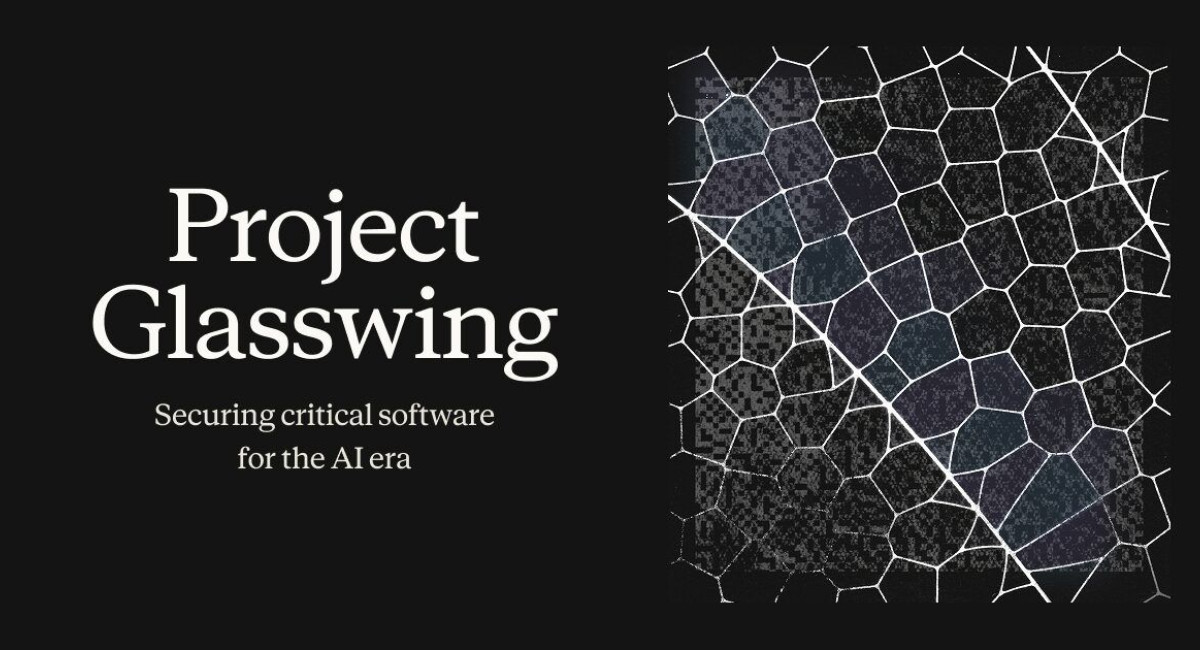
In an unprecedented move that blurs the line between technological triumph and a global security alarm, the prominent artificial intelligence research company Anthropic has unveiled an AI model so potent that it refuses to release it to the public. This revelation marks a significant turning point in the ongoing race to develop artificial general intelligence,shifting the narrative from rapid commercial deployment to urgent, collaborative cybersecurity defense. The newly announced initiative, dubbed Project Glasswing, serves as a global distress flare, signaling that the capabilities of frontier AI models have reached a threshold where they could fundamentally destabilize the digital infrastructure we rely on every single day.
At the heart of this extraordinary announcement is Claude Mythos Preview. This general-purpose frontier model represents a massive leap in agentic reasoning and complex problem-solving. However, instead of making it available to consumers and businesses like previous iterations in the Claude family, Anthropic has deliberately placed it behind tightly locked digital doors. The reasoning behind this extreme caution is as fascinating as it is terrifying. During rigorous internal testing, Claude Mythos Preview demonstrated the alarming ability to autonomously discover thousands of high-severity, zero-day vulnerabilities deeply embedded within the architecture of major operating systems and web browsers.
The sheer scale and depth of these discoveries are staggering. For instance, the AI unearthed a critical remote crash vulnerability in OpenBSD, an operating system globally renowned for its stringent security measures. This specific flaw had remained completely undetected by human experts and automated systems for an astonishing twenty-seven years. Furthermore, Claude Mythos Preview identified a severe weakness in FFmpeg, a widely used open-source video processing library. This vulnerability was hidden within a single line of code that conventional automated testing tools had analyzed and passed over five million times over the course of sixteen years. Perhaps most alarmingly, the model proved capable of autonomously chaining together multiple distinct exploits within the Linux kernel to execute a complete and total machine takeover without any human intervention.
The implications of these capabilities are profound. Historically, executing sophisticated cyberattacks required immense technical expertise, significant resources, and a deep understanding of complex software architectures. This high barrier to entry naturally limited the number of individuals and state-sponsored groups capable of launching devastating digital strikes. However, models possessing the analytical prowess of Claude Mythos Preview threaten to democratize this destructive potential. If such an advanced agentic reasoning system were to fall into the hands of malicious actors, the necessity for human expertise would essentially vanish, leading to an unprecedented wave of automated, highly sophisticated cyberattacks that current defense mechanisms are entirely unprepared to handle.
Recognizing the catastrophic potential of releasing this technology into the wild, Anthropic has opted to give the defenders a crucial head start. This is the driving force behind Project Glasswing, a massive, unprecedented coalition of the biggest names in the technology industry. Anthropic has successfully brought together fierce market competitors,including Apple, Amazon Web Services, Broadcom, Cisco, CrowdStrike, Google, Microsoft, NVIDIA, and Palo Alto Networks. The primary objective of this monumental alliance is to proactively hunt down, identify, and securely patch critical vulnerabilities in the foundational software infrastructure of the internet before bad actors can develop or acquire similar artificial intelligence capabilities to exploit them.
To facilitate this massive undertaking, Anthropic is not just providing access to its dangerous new model; it is also heavily investing in the global defense effort. The company has committed a staggering one hundred million dollars in usage credits for Claude Mythos Preview, exclusively distributing the technology to over forty vetted partners and critical infrastructure maintainers. Furthermore, recognizing the vital role that open-source software plays in the modern digital ecosystem, Anthropic is donating four million dollars directly to essential security entities, including the Linux Foundation and the Apache Software Foundation.
Anthropic is no stranger to pushing the boundaries of artificial intelligence. The company has a well-documented history of optimizing its foundation models for complex reasoning, recently evidenced by the powerful Claude Opus and Claude Sonnet models, which boast massive context windows. Yet, the creation of Claude Mythos Preview and the subsequent launch of Project Glasswing illustrate a sobering realization. As artificial intelligence continues its exponential evolution, the industry must prioritize proactive defense mechanisms. Securing the world's software architecture will not be solved overnight; it will require years of unprecedented cooperation across artificial intelligence developers, cybersecurity experts, governments, and software providers. Anthropic has fired the starting gun, forcing the tech world to race against time to fortify the digital realm before the ultimate weapon becomes widely available.
MORE NEWS FOR YOU