 Help & Support
 SEARCH
The next generation of Apple Intelligence is now official
SHARE IT
Apple has officially pulled back the curtain on its next-generation Apple Intelligence, signaling a monumental shift in how the tech giant approaches artificial intelligence. Rather than treating artificial intelligence as a superficial layer for text generation or simple imagery, the company has deeply integrated its latest Apple Foundation Models into the core architecture of its operating systems. The overarching theme of this update is a move toward agentic AI—systems capable of executing multi-step tasks and taking proactive initiatives on behalf of the user, while staunchly defending the brand's long-standing commitment to data privacy.
The centerpiece of this technological overhaul is the complete transformation of Siri. Once a basic voice assistant restricted by app silos, the new Siri AI has been spun off into its own independent application. Fueled by sophisticated foundational models, the assistant now possesses a deep comprehension of a user's personal context. It can seamlessly cross-reference data by scanning text messages, analyzing emails, and combing through photo libraries to piece together highly relevant answers. Furthermore, the integration of Visual Intelligence across multiple devices allows Siri to actively perceive and interact with elements directly displayed on the screen. While developers can access the beta version immediately, a wider public release is set for autumn, though regulatory hurdles mean European users will have to wait.
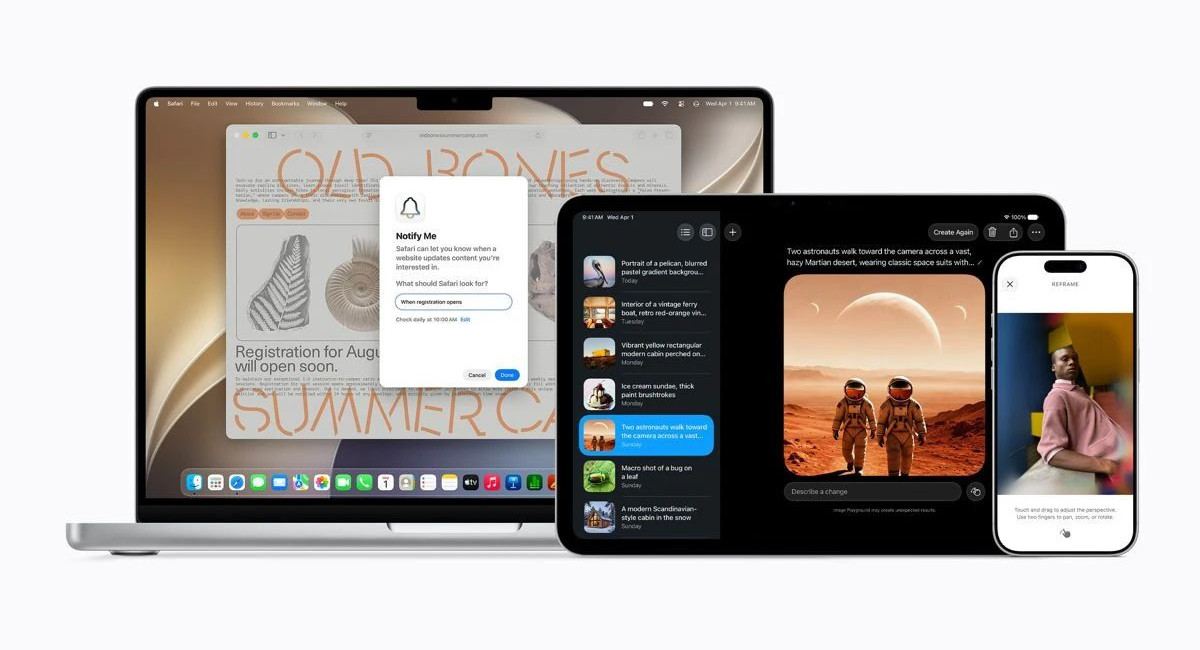
Beyond virtual assistance, the Safari web browser is also getting a substantial intelligence boost. Rather than attempting to compete directly with generic chatbots, Apple is steering Safari toward becoming an autonomous agent that operates primarily via local, on-device processing. The browser now introduces Tab Topics, which uses semantic analysis to silently cluster open tabs into specific categories, such as grouping travel and accommodation pages together during vacation planning. Meanwhile, a feature called Notify Me tracks e-commerce websites to alert users about price drops or product restocks. Most notably, the Passwords ecosystem has evolved to autonomously fix weak credentials. It can navigate to a website, log in, access security settings, generate a secure password, and save it automatically, removing traditional friction for the end user. Additionally, the new Describe an Extension tool allows users to build custom browser add-ons simply by writing a description in natural language.
Photography within the ecosystem has received a similar computational upgrade, drawing heavily from the spatial geometry expertise Apple accumulated while developing its Vision Pro headset. The Photos app introduces three major neural network tools. Spatial Reframing allows users to shift the perspective of a two-dimensional image after it has been captured, effectively mimicking the camera being repositioned slightly during the original shot. The Extend Tool utilizes generative infill to expand an image’s canvas, modifying aspect ratios or fixing uneven horizons without resorting to cropping. Alongside an improved Clean Up tool, Apple is ensuring that all modified imagery automatically receives an invisible SynthID watermark to guarantee transparency regarding AI-generated content.
This push toward photorealism marks a notable departure for Image Playground, which previously favored stylized or cartoonish outputs. The feature now creates highly realistic graphics suitable for Lock Screens and Contact Posters, allowing users to apply precise local edits using simple touch or circling gestures. This workflow relies on a hybrid computing model where processes run locally on-device by default, routing to Apple’s Private Cloud Compute infrastructure only when extra processing power is required.
Despite the excitement surrounding these features, the roll-out presents a complicated picture for the European market, including Greece. The stringent interoperability mandates of the Digital Markets Act, widely known as the DMA, have forced Apple to take a cautious approach to deployment. As a result, the full suite of Apple Intelligence features will debut this autumn exclusively on macOS, as laptops and desktops face fewer of the regulatory constraints applied to mobile ecosystems. Consequently, users anticipating these upgrades on the latest iPhone or iPad models in Europe will face significant delays as Apple navigates the complex regulatory landscape.
MORE NEWS FOR YOU