 Help & Support
 SEARCH
WhatsApp Usernames are changing the privacy game forever
SHARE IT
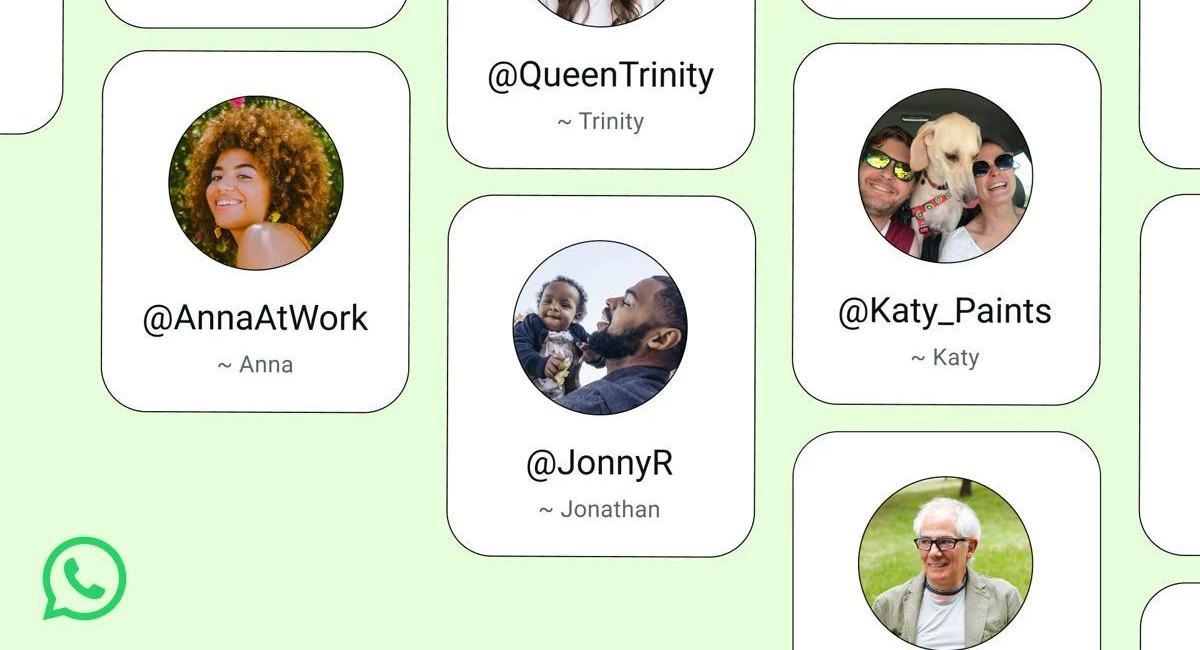
In what is being hailed as the most significant evolution of digital identity since the introduction of end-to-end encryption, WhatsApp has officially initiated the global rollout of usernames. For more than a decade, Meta’s crown jewel of messaging has operated under a strict and sometimes uncomfortable rule: if you want to chat, you have to hand over your mobile digits. That era is coming to a close. The platform is introducing a layered, handle-based identity system that aims to eliminate the necessity of sharing personal phone numbers with strangers, acquaintances, or local businesses.
According to product executives, this phased rollout is less about copying traditional social media networks and entirely about plugging a long-standing privacy loophole. Alice Newton-Rex, WhatsApp’s vice president of product, emphasized that the architecture has been designed from the ground up as a core privacy feature. While rival platforms like Telegram have long used handles to facilitate public discovery, Meta is steering WhatsApp in a completely opposite direction. There will be no searchable global directories, no algorithmic recommendations, and no auto-complete suggestions. If someone wants to initiate a conversation with you, they must know your exact handle, ensuring the app remains a utility for private connections rather than public broadcasting.
The logistics of the rollout reflect the massive scale of WhatsApp, which currently services over three billion active users globally. Because the competition for digital real estate will be fierce, Meta has opened up a reservation system through the latest versions of the mobile application. Users can navigate to Settings, select Account, and then tap Username to secure their preferred handle, provided the feature has been activated in their respective region. To maintain a unified brand ecosystem, Meta is giving businesses, creators, and organizations with verified presences on Instagram or Facebook a priority window to claim matching identities. Furthermore, a strict protective buffer has been placed around public figures, government agencies, and celebrities to mitigate the inevitable threat of identity theft and impersonation.
Technically, the handles must comply with a strict set of architectural rules. Usernames must range between 3 and 35 characters, utilizing only lowercase letters, numbers, periods, and underscores. Crucially, every handle must contain at least one alphabetical letter and cannot mimic web domains by using prefixes like www or suffixes like .com. For individuals who find themselves staring at a blank text box suffering from decision paralysis, Meta has integrated a built-in username generator that suggests available combinations based on the user's account data.
However, the real engineering marvel of this update is the secondary security layer: the optional username key. Recognizing that bad actors could use automated scripts to guess common usernames, WhatsApp is introducing a four-digit soft PIN that acts as a gatekeeper for your inbox. If you choose to enable this feature, a new contact will not only need your exact handle but also this specific numeric key to successfully deliver a first-time message. The key can be regenerated or rotated at any time by the account holder, rendering old keys useless if they happen to be leaked or shared too widely online. It is a modern reimagining of the iconic BlackBerry BBM PIN system, retrofitted with modern anti-spam safeguards.
The structural impact of this change cannot be overstated. Traditionally, your phone number was the ultimate key to your digital life, tied to bank accounts, government IDs, and dual-factor authentication systems. Exchanging it with a casual acquaintance, a marketplace seller, or a neighborhood community group carried inherent risks. Under the new protocol, the phone number remains strictly a backend identifier necessary for account creation, cross-device synchronization, and profile recovery. On the user-facing side, the handle completely masks the digits. When a conversation is initiated via a username, the recipient’s phone number remains completely hidden unless it was already saved in the other person's physical device contact list.
While consumer advocacy groups have largely praised the shift toward total anonymity, the update has already drawn scrutiny from international regulators and law enforcement agencies. Government watchdogs in major markets like India have raised concerns that the handle system could complicate criminal investigations and make it significantly harder for authorities to trace online scammers or coordinate anti-fraud operations. Meta has responded by reaffirming that its automated abuse detection engines will actively block patterns of rapid, large-scale messaging campaigns, preventing malicious entities from exploiting the anonymity of usernames to execute automated spam runs.
As the update slowly propagates across servers worldwide over the coming months, the ultimate goal is clear. By decoupling messaging from mobile numbers, WhatsApp is attempting to transition from a secondary texting tool into a comprehensive, bulletproof digital identity wallet. Eligible users are being urged to monitor their in-app notifications closely, as the window to secure personal, high-value digital handles is officially open.
MORE NEWS FOR YOU