 Help & Support
 SEARCH
Why your digital habits are an open invitation to hackers
SHARE IT
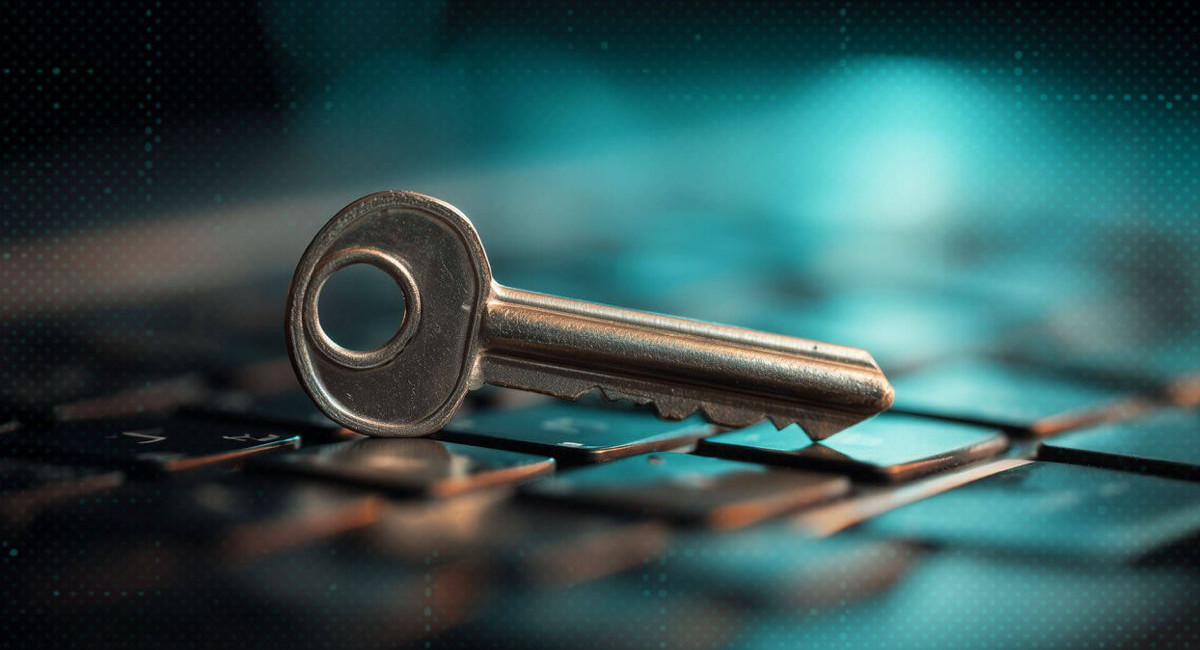
In an era where our lives are inextricably linked to the digital realm, a silent but devastating weapon is being wielded by cybercriminals with alarming efficiency. It is not a sophisticated virus or a complex piece of malware designed to bypass government-grade firewalls. Instead, it is a technique that exploits one of the most basic human flaws: the desire for convenience. This method, known as credential stuffing, has become the digital equivalent of a burglar discovering a master key that opens your home, your office, and your car all at once.
At its core, credential stuffing is a simple numbers game. The process begins long before an attack is even launched, often in the dark corners of the internet where databases from past security breaches are traded like commodities. When a major service is compromised, millions of username and password pairs are leaked. While many people might assume that changing their password on that specific site is enough, the reality is far more perilous. Cybercriminals know that the average user is a creature of habit, frequently reusing the same login credentials across dozens of different platforms, from social media and email to banking and retail sites.
The execution of a credential stuffing attack is a marvel of automated efficiency. Unlike traditional brute-force attacks, where hackers try to guess a password through random combinations—a process that is often slow and easily detected—credential stuffing uses credentials that are already known to be valid. Using sophisticated botnets, attackers can attempt thousands of logins per second across a vast array of websites. Because these bots use legitimate-looking credentials, they often fly under the radar of standard security protocols, making them significantly harder to detect until the damage is already done.
The consequences of a successful account takeover can be life-altering. Once an attacker gains access to one account, they can often pivot to others, creating a domino effect of compromise. Within minutes, a hacker could drain a bank account, make unauthorized purchases on an e-commerce site, or harvest sensitive personal information to sell to identity thieves. For many victims, the realization that their digital identity has been hijacked comes only after they receive a notification of a suspicious transaction or find themselves locked out of their own accounts.
However, the most unsettling aspect of credential stuffing is that it is entirely preventable. The responsibility for security is a dual burden shared by service providers and users alike. On the corporate side, companies are increasingly deploying advanced bot-detection tools, rate-limiting login attempts, and utilizing behavioral analysis to distinguish between a human user and a malicious script. Yet, even the most robust corporate defenses can be circumvented if the user provides a direct path through poor password hygiene.
For the individual, the first and most critical line of defense is the abandonment of password reuse. In the modern digital landscape, a unique password for every single account is not a luxury; it is a necessity. This is where a password manager becomes an indispensable ally. By generating and storing complex, random strings of characters, these tools eliminate the need for users to memorize dozens of different logins while ensuring that a breach at one service does not endanger others.
Beyond unique passwords, the implementation of Multi-Factor Authentication (MFA) or Two-Factor Authentication (2FA) acts as a formidable barrier. By requiring a second form of verification—such as a code sent to a mobile device or a biometric scan—MFA ensures that even if an attacker possesses the correct password, they still lack the final piece of the puzzle required to gain entry. It is the digital equivalent of a deadbolt on a door that already has a high-security lock.
Ultimately, the rise of credential stuffing serves as a stark reminder that in the digital world, convenience is often the enemy of security. As we continue to move more of our personal and professional lives online, the "set it and forget it" mentality regarding passwords is no longer sustainable. Staying safe requires a proactive approach, a healthy dose of skepticism, and a commitment to basic digital hygiene. The master key to our digital lives should only ever be in our own hands, and it is up to us to ensure that the locks we use are as strong as the information they protect.
MORE NEWS FOR YOU