 Help & Support
 SEARCH
YouTube unleashes Face Detection system for all adult users
SHARE IT
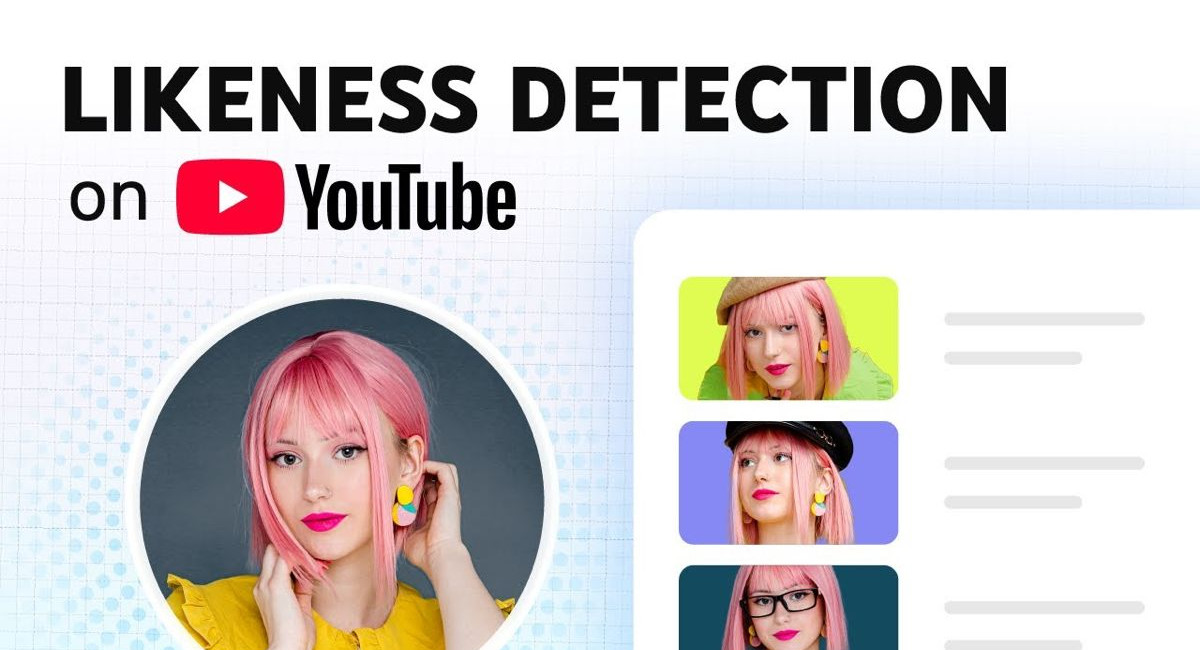
YouTube has announced a significant upgrade to its platform governance by expanding its groundbreaking likeness detection feature. Initially tested as a restricted pilot program for high tier channels within the YouTube Partner Program, the innovative tool is now being deployed globally to safeguard all content creators aged 18 and older. This strategic rollout emphasizes a major shift toward automated, user driven copyright and privacy management in the age of artificial intelligence.
At its core, likeness detection is designed as a direct response to the alarming rise of unauthorized deepfakes and AI generated digital duplicates. Operating within the existing infrastructure of YouTube Studio, the technology offers independent video creators an industry first mechanism to actively monitor how their physical appearance is utilized across the vast platform. By providing automated detection, the system aims to grant users peace of mind, transforming what used to be a tedious, manual reporting chore into an automated security net that works relentlessly behind the scenes.
The implications of this upgrade extend far beyond mere administrative convenience. By arming creators with the ability to identify where their faces appear without consent, YouTube is addressing three vital digital battlegrounds simultaneously. First, it brings much needed transparency to the ecosystem, allowing creators to see exactly how third parties manipulate their visual assets. Second, it streamlines identity protection by allowing users to lodge swift removal requests directly through YouTube Studio based on existing Privacy Guidelines. Finally, and perhaps most importantly, the feature helps shield viewers from being deceived by highly realistic, misleading content that falsely associates a creator with unauthorized messages or products.
Enrolling in this identity protection network has been engineered to be straightforward, yet secure. To activate the service, eligible content creators must access YouTube Studio via a desktop computer and navigate to the newly integrated Content detection section. From there, users can opt into the program by granting YouTube the necessary technological permissions. The crucial foundational step involves completing a brief, one time identity verification process, which includes submitting a facial scan to establish a secure baseline for the automated comparison algorithms.
Despite the highly sophisticated nature of the background scanning engines, YouTube has advised users to manage their expectations regarding instant feedback. The platform noted that a lack of immediate match notifications is entirely normal and should not be mistaken for system failure. Because the generation and upload of high quality synthetic copies targeting specific faces can be infrequent, many channels may see zero alerts initially. This simply indicates that the platform has not discovered unauthorized visual matches, though the defensive algorithm continues to scan incoming uploads continuously.
Ultimately, this platform wide expansion represents a vital boundary marker for YouTube as it tries to balance the incredible creative capabilities of generative AI with the fundamental rights of human creators. As digital manipulation tools become accessible to millions, the burden of proof and protection is increasingly shifting toward platform operators. By democratizing access to deepfake detection, YouTube is attempting to build a safer, more accountable community where personal identities cannot be appropriated for unauthorized engagement or malicious viral loops.
MORE NEWS FOR YOU