
 Help & Support
 SEARCH
Europe moves to ban social media from teens under 16
SHARE IT
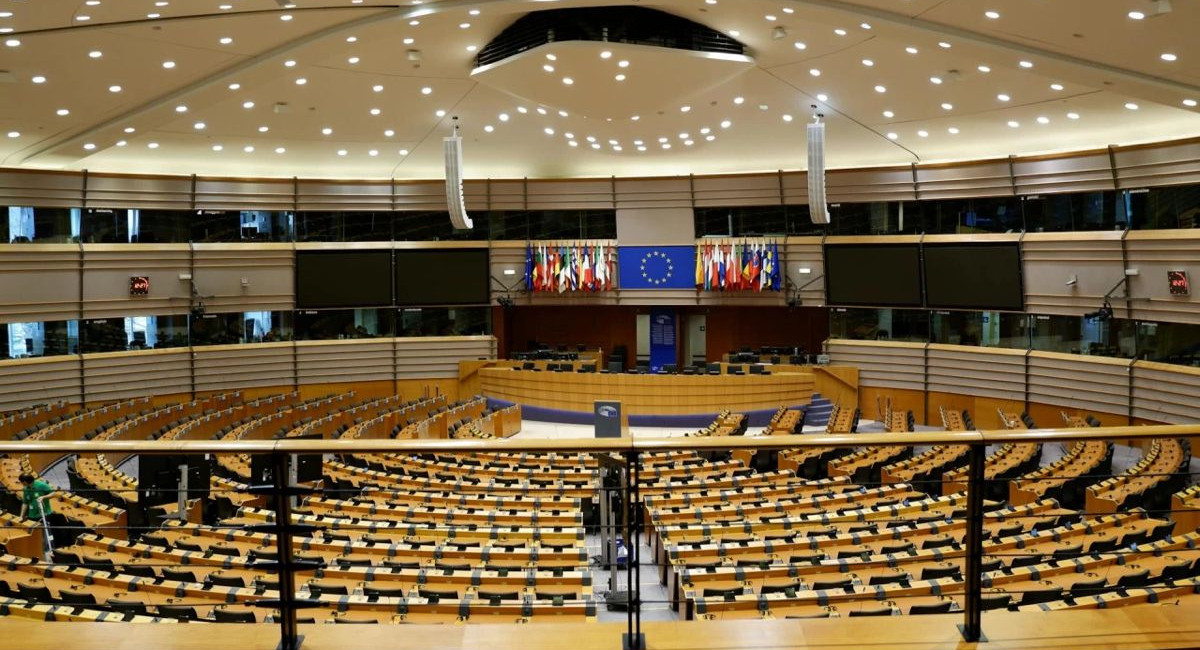
The European Parliament has taken a decisive step in the ongoing debate over children’s digital well-being, backing a proposal that would set a uniform minimum age of 16 for accessing social media across the European Union—unless parental consent is provided. The move places the EU among a growing list of jurisdictions rethinking young people’s unsupervised exposure to platforms like TikTok, Instagram, and YouTube, whose influence on mental health has increasingly come under scrutiny.
While the idea of restricting social media access for minors is not new, the Parliament’s endorsement gives it significant political weight. Crucially, the proposal stops short of the stricter approach emerging in Australia, where lawmakers are preparing to impose an outright prohibition on underage users. In Europe, parents would still have the option to authorize their children’s accounts, making the rules less severe but still far more structured than the patchwork of existing national laws.
Lawmakers say the urgency behind the measure stems from mounting evidence that prolonged engagement with social platforms can harm children’s emotional development. Earlier in the week, reports resurfaced alleging that Meta suppressed internal findings showing users experienced noticeable mental-health improvements after deleting its apps for just a week. Although the claims remain controversial, they underscore why policymakers across the continent are pushing for firmer safeguards.
But the Parliament’s stance goes beyond age limits. In a striking addition to the report, Hungarian center-right MEP Dóra Dávid proposed holding tech executives—including Mark Zuckerberg and Elon Musk—personally accountable if their companies repeatedly ignore EU rules meant to shield minors online. Such a shift would mark one of the toughest personal-liability standards ever applied to the tech sector in Europe, signaling that institutional warnings and fines may no longer be seen as sufficient deterrents.
The proposals received overwhelming support within the Parliament. Out of the hundreds of members present, 483 voted in favor, 92 opposed, and 86 abstained. A significant share of the resistance came from right-leaning groups, who argued that Brussels risks overstepping its authority and infringing on the powers of national governments. Nonetheless, the report’s chief architect, Danish social democrat Christel Schaldemose, maintained that fragmented national approaches simply cannot keep pace with global platforms operating beyond borders.
One of the central ambitions of the report is to push the European Commission to establish uniform rules for age verification—an area where Europe has long lacked coherence. At present, platforms deploy their own systems, many of which rely on self-declaration and can be easily bypassed. By encouraging stricter, standardized mechanisms, lawmakers hope to close loopholes and ensure that companies no longer treat compliance as a voluntary gesture.
MORE NEWS FOR YOU