 Help & Support
 SEARCH
Netflix embraces infinite scroll the streaming giant’s pivot to social media mechanics
SHARE IT
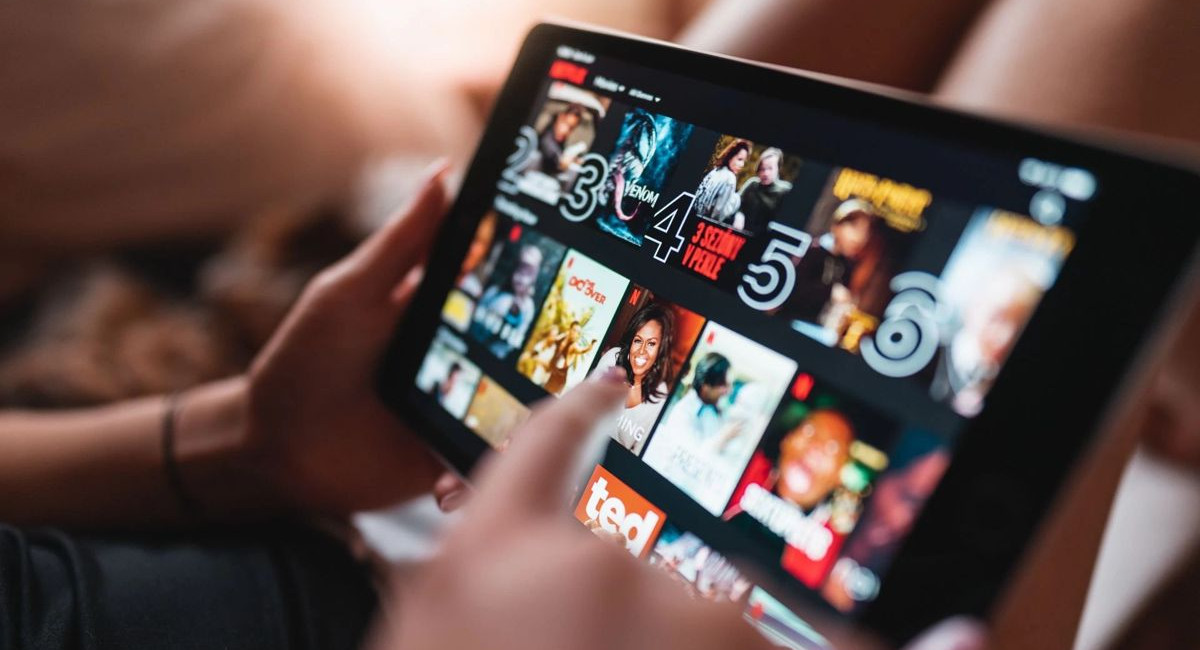
The digital landscape is witnessing a significant convergence between traditional streaming services and social media platforms. In a move that signals a fundamental shift in how we consume high-production entertainment, Netflix has officially announced its plan to integrate a TikTok-style vertical video feed into its interface by 2026. This strategic evolution, revealed during the company’s Q4 earnings call, aims to capture the fragmented attention of modern audiences and transform the platform from a destination for deliberate viewing into an engine for continuous engagement.
This upcoming redesign represents the culmination of extensive experimentation. Netflix has been quietly testing vertical feeds since May 2025, gauging user reactions to a more kinetic way of browsing content. By adopting the mechanics of "doomscrolling"—the habit of mindlessly scrolling through an endless stream of short-form clips—Netflix is positioning itself to compete directly for the time users currently spend on apps like TikTok and Instagram.The feed will showcase curated snippets from the platform’s vast library, including original series, feature films, and even podcasts, effectively creating a high-quality "discover" tab.
The psychology behind this transition is deeply rooted in established social media playbooks. The goal is to eliminate the friction of choice, a phenomenon often referred to as "decision fatigue," where users spend more time searching for something to watch than actually watching it. By presenting an infinite stream of short, engaging clips, Netflix provides instant gratification. Each snippet acts as a gateway; a user might start by scrolling through thirty-second highlights and end up being funneled into a multi-hour binge-watching session of a new series. Whether the viewer stays for the short-form clips or dives into full-length content, the result is the same: increased time spent within the app’s ecosystem.
Netflix leadership is framing this change as a necessary evolution rather than a simple imitation of social media. Greg Peters, the co-CEO of Netflix, noted that the objective is to better serve the company's expansion over the next decade.Meanwhile, CTO Elizabeth Stone clarified at a TechCrunch conference that the company is not trying to "become" TikTok. Instead, the focus is on enhancing "entertainment discovery capabilities" through mobile-first features. This distinction is crucial; while the delivery method mimics social media, the content remains professionally produced and verified, offering a "cleaner" alternative to the unverified and often chaotic nature of user-generated content.
The timing of this rollout is particularly strategic. Major social platforms are currently grappling with an influx of "AI slop"—low-quality, AI-generated content that clutters feeds and alienates users. Netflix, by contrast, sits on a mountain of premium, copyrighted material. This allows the streaming giant to offer a curated, high-fidelity version of the scrolling experience. However, this controlled environment comes with its own risks. Without the spontaneity of user-generated content, there is a possibility that the feed might feel overly sterile or promotional, potentially lacking the "viral" energy that makes TikTok so addictive.
Interestingly, reports suggest that Netflix is already adapting its content production to fit these new consumption habits.The company is reportedly developing "second-screen shows"—productions designed with reduced dialogue and simplified plotlines. These shows are specifically crafted to be compatible with users who have decreasing attention spans or who may be multitasking while they watch. Clips from these "snackable" productions are expected to be a cornerstone of the new vertical feed, bridging the gap between passive scrolling and active viewing.
Financially, the stakes are incredibly high. Netflix ended 2025 with a staggering $45.2 billion in revenue and over 325 million paid subscribers. Despite being the leader in the streaming wars, the pressure to maintain growth and maximize daily active usage is relentless. In an era where "attention" is the primary currency, even the most successful subscription services are forced to adopt the addictive engineering of free-to-use social apps. By merging the prestige of Hollywood production with the dopamine-driven design of the scroll, Netflix is betting that the future of television isn't just a big screen in the living room, but an endless stream in the palm of your hand.
MORE NEWS FOR YOU